Top 5 Butterflies to Spot in May
We’re not the only ones who love all the benefits of No Mow May!
Here, the Butterfly Conservation joins us to give their top 5 species to look out for in your No Mow Movement area.
May has arrived and with it, sunshine, blooms and busy butterflies looking to complete their lifecycles.
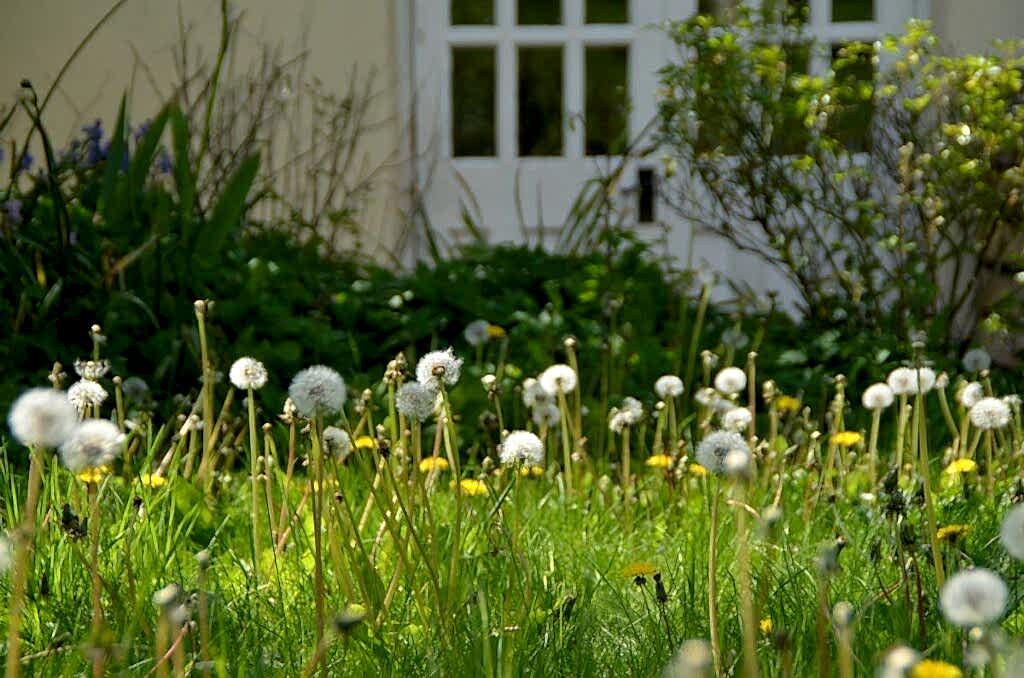
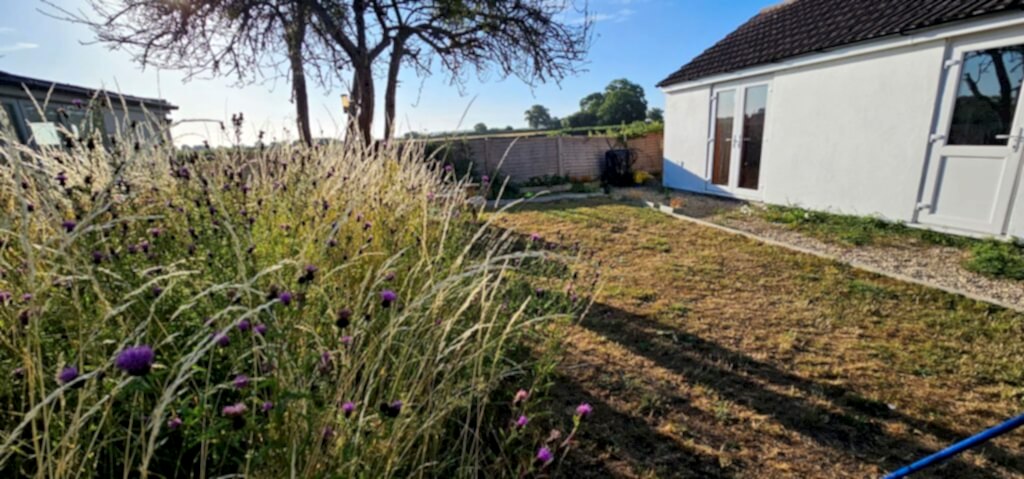
Butterfly Conservation research shows that allowing patches of grass to grow long can boost butterfly numbers by up to 93%, so taking part in No Mow May, as well as things like planting sources of nectar and avoiding pesticides, can all help create a welcoming space for butterflies to thrive.
But which butterflies might you spot in your garden and local green spaces this month?

1. Speckled Wood
This beautifully patterned brown and cream butterfly flies from April to October and likes to bask in sunny spots.
It’s a fan of gardens and, if you’ve got a long lawn, you might also spot its vivid green caterpillars, which like to munch on grass.

2. Orange-tip
The Orange-tip only flies for a short time between April and June, so May is an ideal time to get out and spot one. Look out for a flash of orange on the tip of the wings of the males (lending it its name) or a black tip for the females.
Orange-tips also have a beautiful speckled green pattern on their underwings which help to tell them apart from other white butterflies which fly at this time of year.

3. Red Admiral
The Red Admiral is a familiar garden favourite that can be seen in almost any month of the year – even December!
It has striking, orange-red wings and a powerful flight which make it hard to miss but sometimes difficult to get a proper look at.

4. Peacock
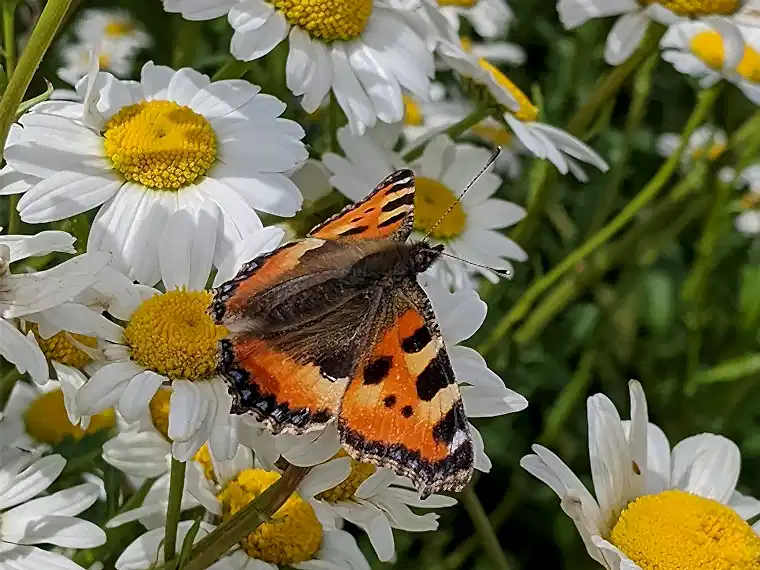
One of the UK’s most distinctive butterflies, the Peacock has bright and colourful wings with bold ‘eye-spots’ on them which it uses to ward off predators.
However, despite its showy upperwings, with its wings closed, it looks like a dead leaf – you’ll have to keep a careful eye out to spot it.

5. Holly Blue
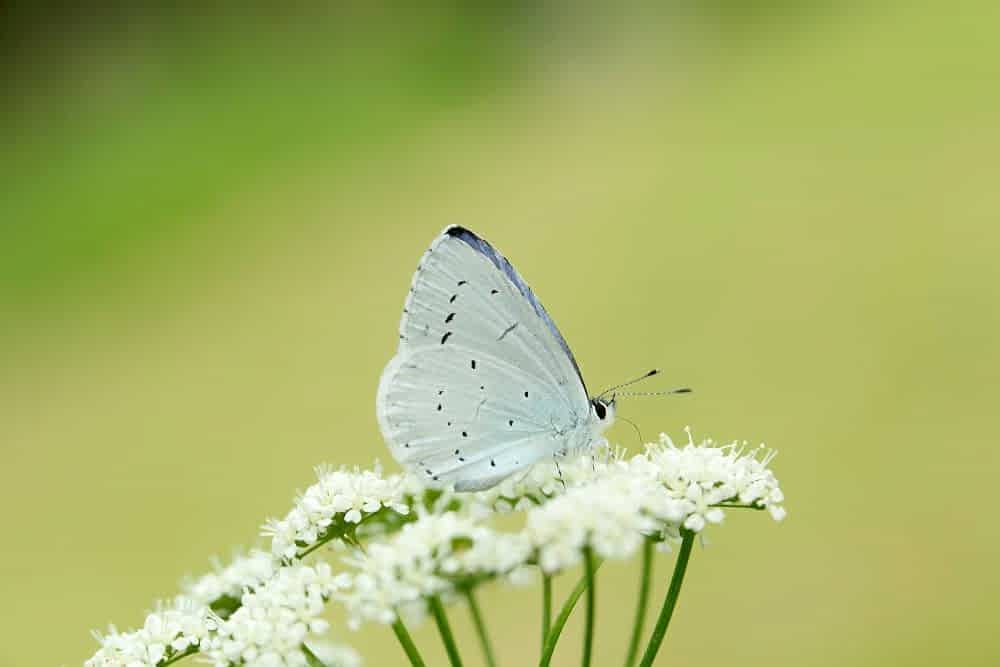
The Holly Blue is a small, powdery blue butterfly with a delicate flight.
In May, you might spot it flying high around bushes and trees, particularly Holly bushes, which it lays its eggs on in spring.
Make the No Mow May Pledge
Plantlife’s No Mow Movement is here – let’s let it grow for nature! Pledge to take part today and get a FREE No Mow May guide.
It’s one of the easiest ways to connect with wildlife and the perfect way to start supporting nature in your garden (in May and beyond!).