
Managing Arable Farm Land
Arable farmland has the power to create a positive impact for biodiversity, as well as food production.
Many wildflowers thrive in areas of soil that are regularly disturbed by farmers growing crops. Careful and regular management is required to ensure these crucial areas of nature can thrive.
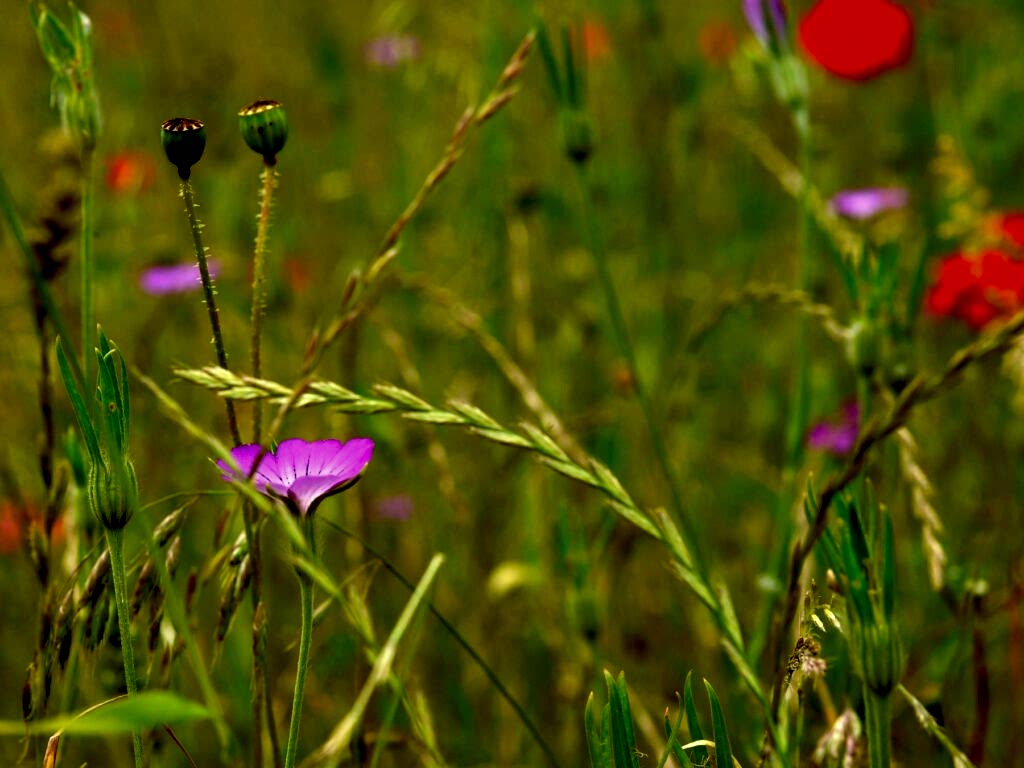
More than 120 species of threatened, rare and scarce wildflowers grow in arable habitats and together they are the fastest declining suite of plants in the UK.
Beloved arable plants – such as Cornflower, Corn Marigold and Corncockle – were once a familiar part of arable landscapes. Not only do they add colour and beauty to our countryside, they are also essential for a huge range of other farmland wildlife. Providing sources of pollen and nectar for bees and butterflies, seeds that can feed huge populations of small mammals and farmland birds, as well as supporting beneficial predatory insects that control crop pests.
However, the populations of these arable plants have drastically declined since the agricultural intensification that began in the 1940s and 50s, so that they no longer colour our farmland.
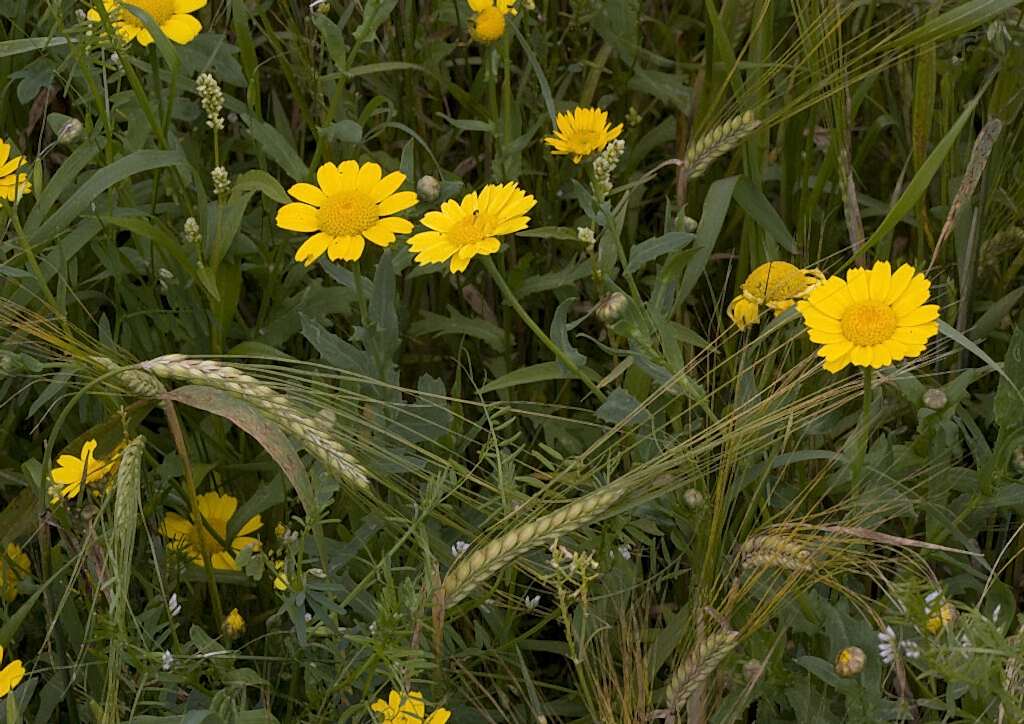
In fact, arable plants are still declining today and face threats from:
- Intensive farming practices, particularly the use of herbicides and inorganic fertilisers
- Simplification of crop rotations
- Decline in mixed farming
- Minimum tillage and no-tillage, reducing soil disturbance
- Conversion of arable land to other uses such as grassland, solar farms or woodland
In fact, arable plants are still declining today and face threats from:
We are working with farmers and landowners to enable arable plants to thrive. Our work includes protecting threatened species, advising farmers and land managers and sharing our expertise in arable plant management.
Our Ranscombe Farm Reserve is an Important Plant Area for arable plants and believed to be the last remaining natural site in the UK for Corncockle. It is home to the largest UK population of Broad-leaved Cudweed Filago pyramidata and the first records of Meadow Clary Salvia pratensis and Marsh Mallow Althaea officinalis in the country were here.
Our Colour in the Margins project, part of Back from the Brink programme, worked to save and restore some of our most threatened arable species.
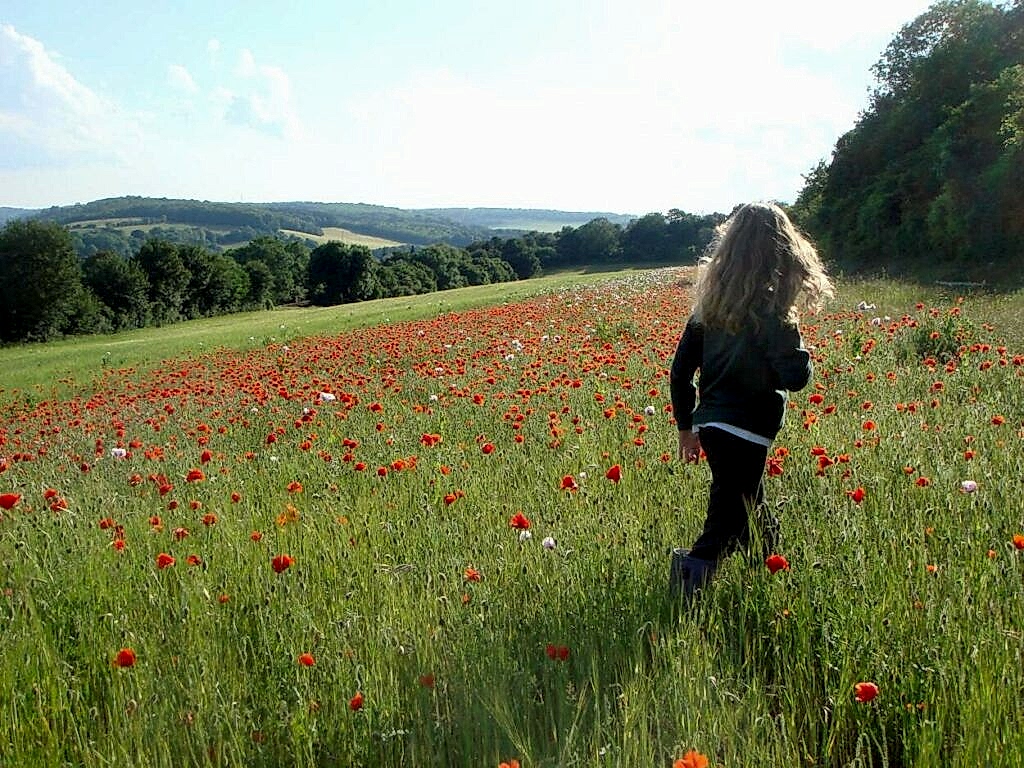
A snapshot of our achievements:
- 70 reintroductions of eight threatened arable plant species
- Developed successful methods for carrying out arable plant reintroductions
- Inspiring and informing the next generation of farmers by including our teachings at the Royal Agricultural University
- Provided surveys and one to one advice, to enable over 150 farmers and land managers to make a real difference for the future of these threatened species
Read more here.