What is a Conservation Covenant?
Conservation covenants allow landowners to collaborate with trusted partners to deliver lasting benefits for nature.
Conservation Covenants are ways for landowners to team up with trusted partners to deliver for nature.
It is a voluntary but legally binding agreement between a ‘Responsible Body’ (under the Environment Act 2021) and a landowner. It ensures that biodiversity enhancements are maintained, regardless of future ownership.
How Can Conservation Covenants Benefit Landowners?
We, Plantlife, are one of only a handful of conservation charities that has been designated by the Department for Environment, Food and Rural Affairs (DEFRA) as a Responsible Body. This means that we can help to manage Conservation Covenants.
As a Responsible Body, we provide legally binding Conservation Covenants that guarantee the longevity, credibility, and ecological integrity of Biodiversity Net Gain projects.
We don’t create covenants lightly — only for projects that deliver genuine, verifiable ecological uplift.
Could a Conservation Covenant Work for Your Land?
If you’re planning to create a habitat bank for Biodiversity Net Gain, you’ll need either a Conservation Covenant or a Section 106 agreement before your biodiversity units can be registered.
Before entering into a covenant, your project must be assessed as meeting the Plantlife standard which is a due diligence process that guarantees the integrity and sustainability of biodiversity units, legally, financially and ecologically.
What’s Included in a Conservation Covenant?
Once your project is validated, we’ll help you through the next steps:
- Verification – independent checks by qualified ecologists to confirm that habitat creation is done correctly (e.g. right species, density, and location). These checks will be repeated at intervals (e.g. Year 1, Year 5, Year 10) as outlined in your monitoring plan.
- Drafting – a bespoke covenant including maps, costs, third-party payments, and dispute resolution.
- Registration – the agreement is registered with the local authority as a land charge.
- Protection – legal confirmation that your project is safeguarded for the future.
How Plantlife, as a Responsible Body, can Help You with Conservation Covenants
- Trusted and recognised – we are an approved Responsible Body under the Environment Act 2021
- Ecological integrity – all projects assessed against the Plantlife Standard
- Mission-led – we’re a not-for-profit organisation focused on nature, not markets
- Proven track record – we have over 30 years of experience restoring habitats across the UK
Our Conservation Covenants offer the strongest available guarantee of high-integrity biodiversity recovery.
How we are Creating Conservation Covenants
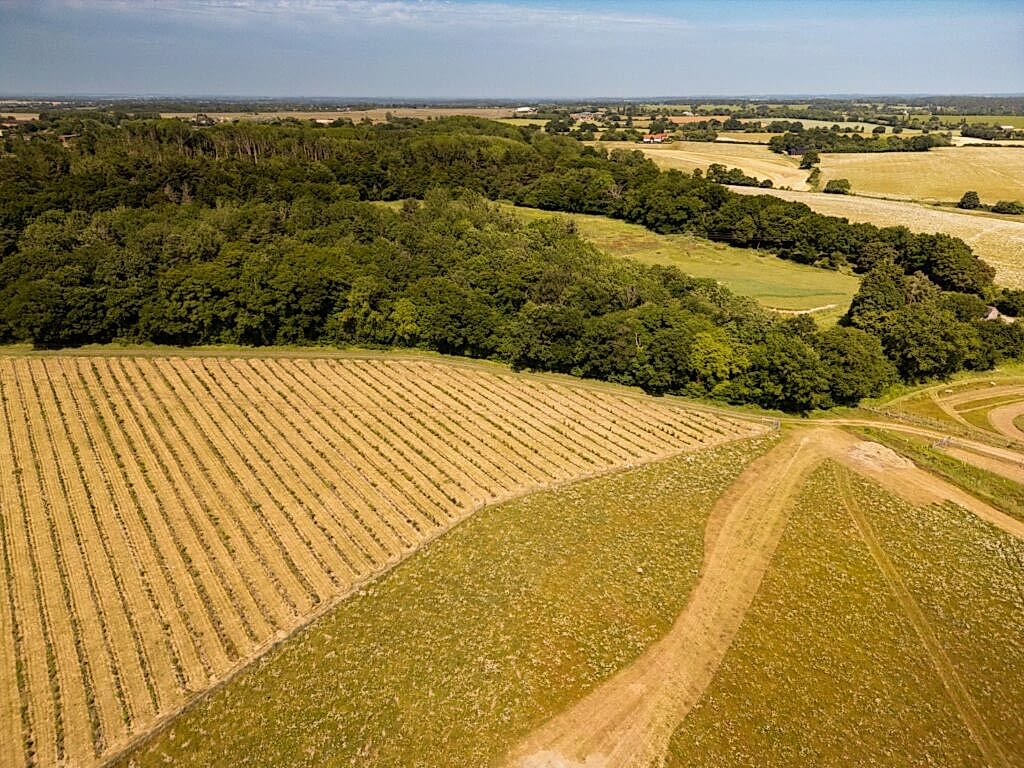
We’re thrilled to have secured a Conservation Covenant, with Ground Control to accelerate nature restoration efforts.
Ground Control’s Wildfell Habitat Bank is one of the UK’s first nature recovery projects combining legal compliance with our Biodiversity Standard.
This marks a major milestone in nature recovery and securing our first-ever Plantlife Certified piece of land.
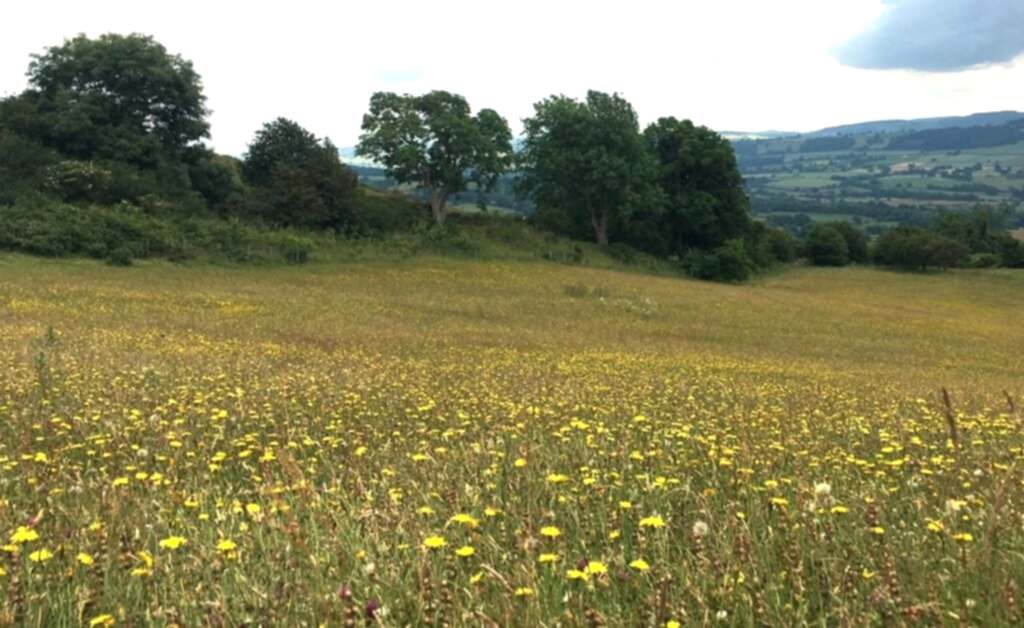
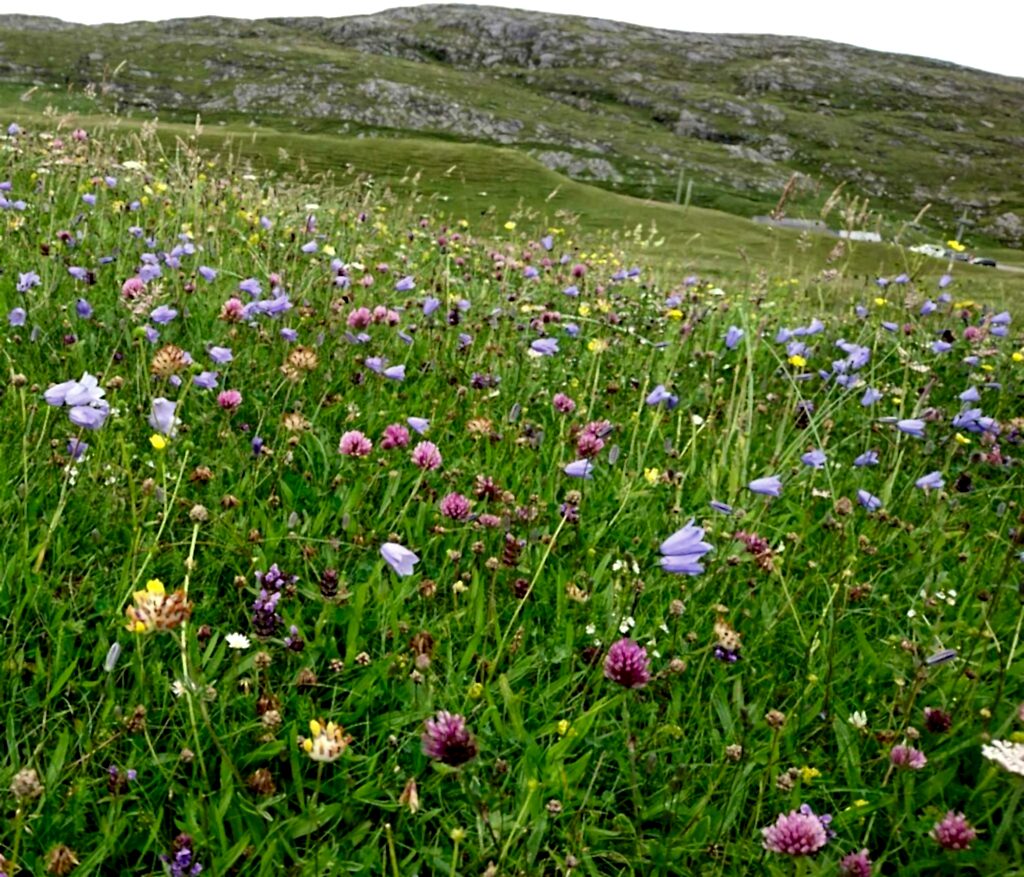
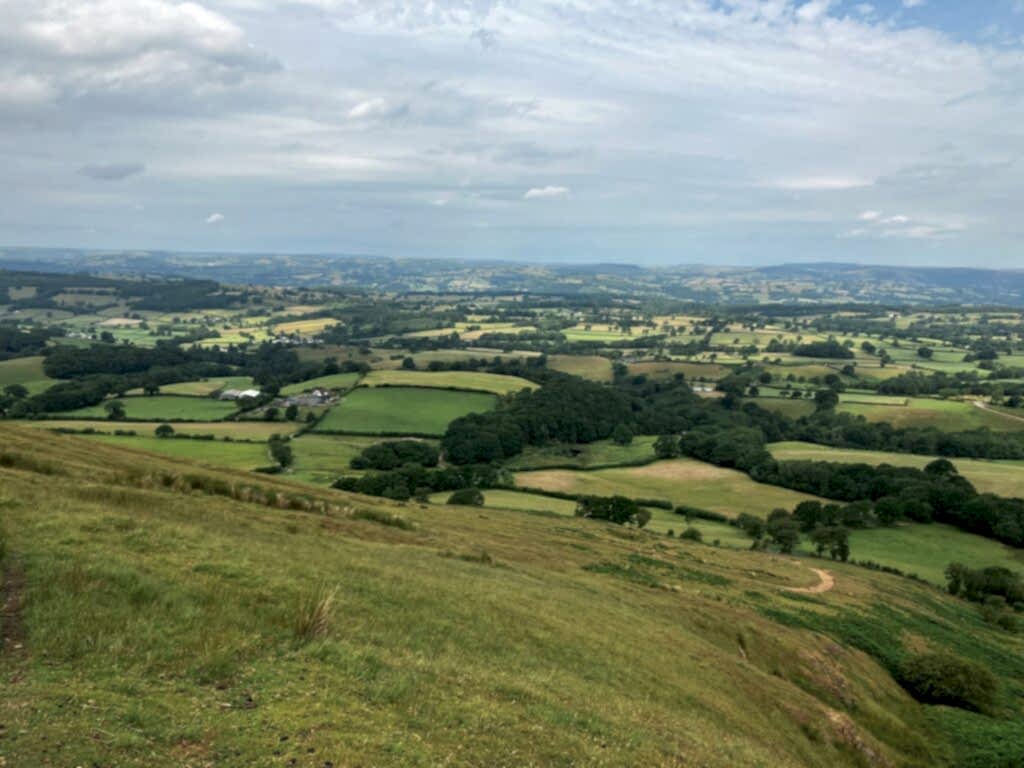
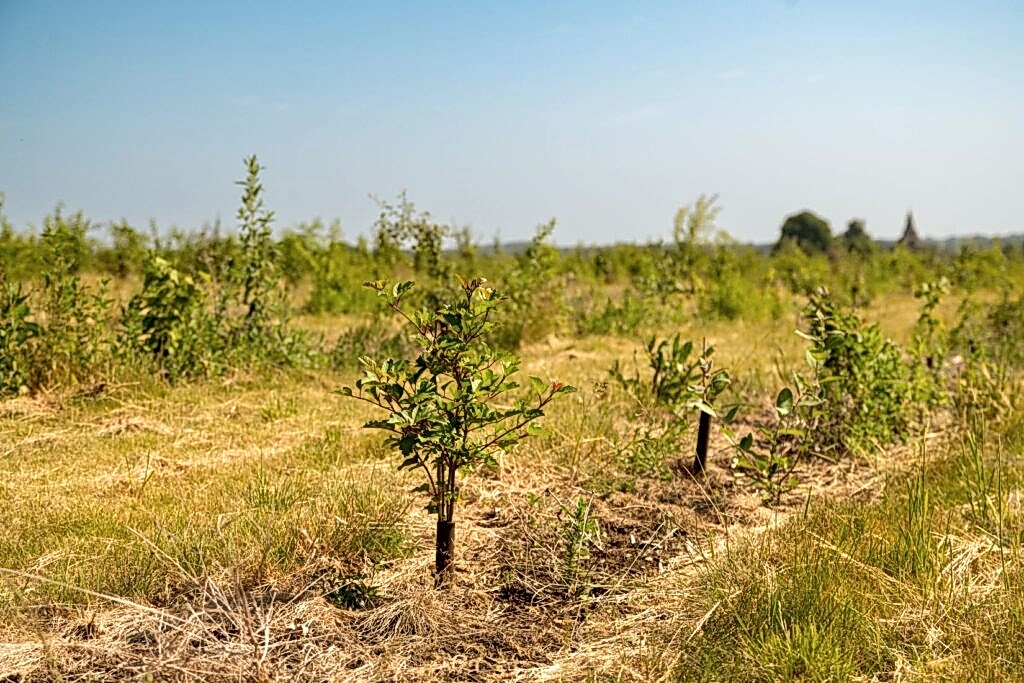
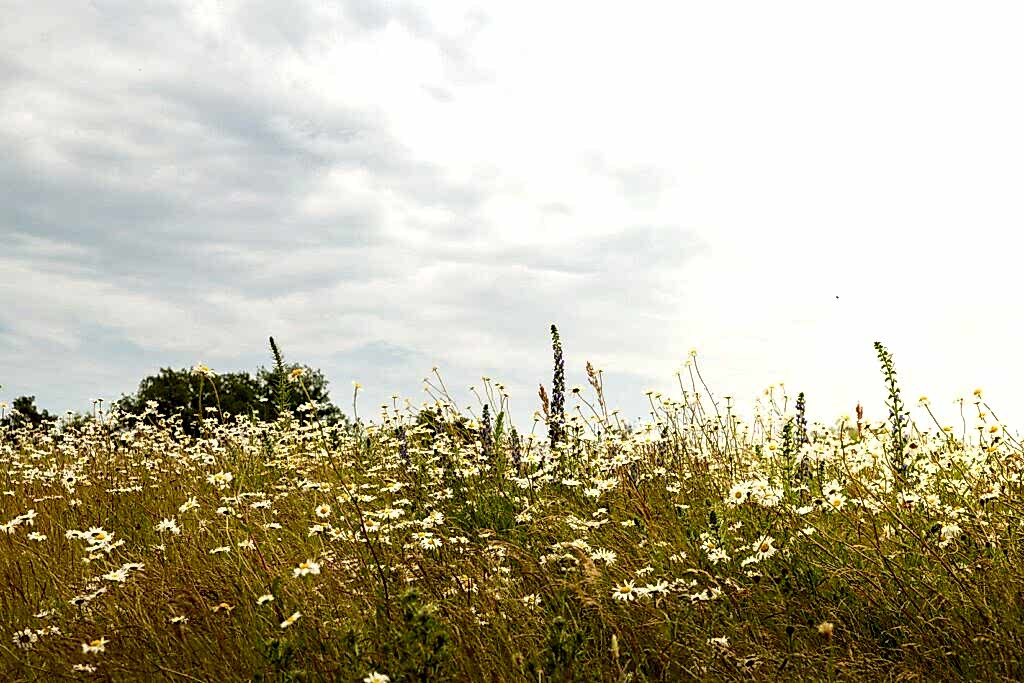
All photographs on this page are courtesy of Ground Control.
Let’s Secure a Nature-Positive Future
Talk to our team to explore how a Conservation Covenant can support your project and deliver real, measurable gains for nature.