The History of Lawns: Status Symbols, Class Systems and Changing Beauty Standards
Join our Specialist Botanical Advisor, Sarah Shuttleworth, for a deep dive into the history of lawns – from how they started to what they represented.
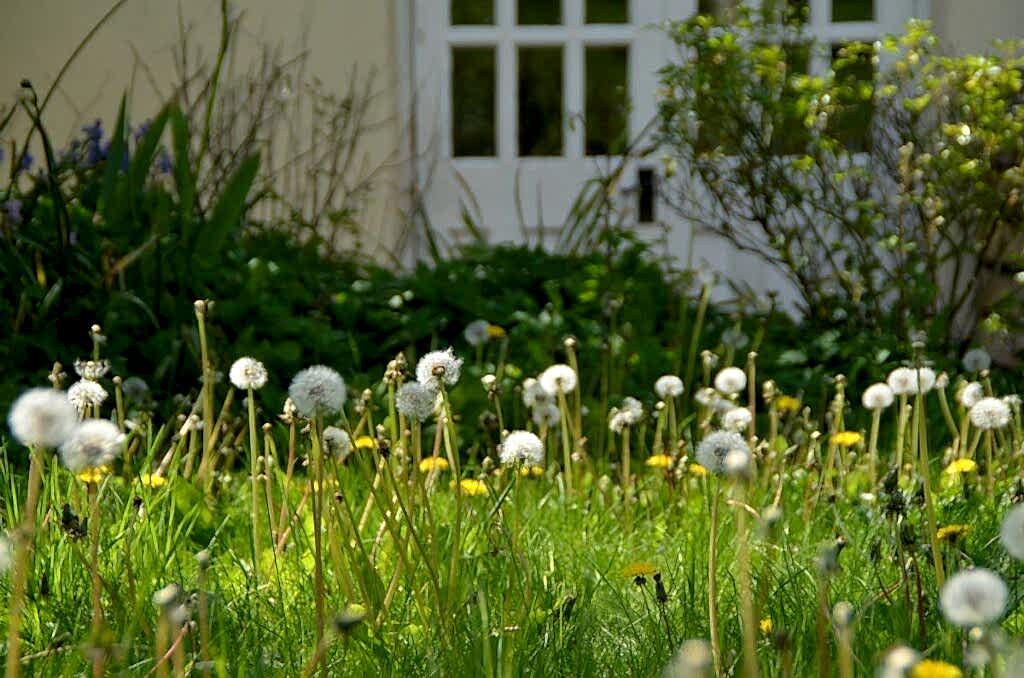
Whether you consider your lawn as a green carpet or a flowering, woven web ecosystem, have you ever considered where the start of the grass mowing habit first began?
Grasslands have almost exclusively been the product of land management by men and women for the purposes of grazing livestock or producing fodder for animals during the winter. This has been practised for thousands of years in the UK and as a result our grassland wildlife has become diverse and in some cases highly adapted.
The act of managing these vast areas of grassland was done by farmers, labourers etc through animal husbandry and hay cutting. It’s important to remember that without cutting or grazing grasslands soon start to scrub over with thorny bushes, then trees and lose the majority of their botanical interest and diversity.
Lawns actually came about during the 18th century as a way of proving to your neighbours that you had the wealth and resources to have land that was not managed for farming but managed for exclusively for recreation and to be aesthetically pleasing.
To keep this grass short and neat required the tireless effort of hired staff to scythe regularly and rake off the cuttings. If you could have someone design your land and gardens that included areas to be managed in such a way, you had truly made it.
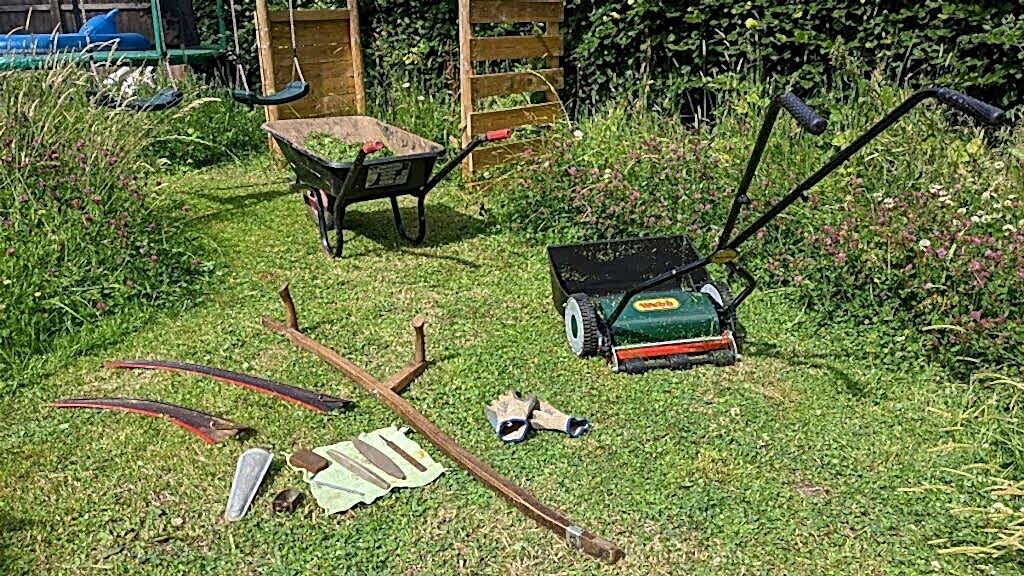
By the time the technology to create automotive cutting devices (aka mowers) was available in the 19th century then owning lawns and cutting them really took off as more people aspired to garden like the elite.
The neat and tidy lawns even stretched to far flung areas of the world via the march of the British Empire and with it the desire to create flat green stages for sports such as cricket and football.
During the 19th and 20th centuries this neat and tidy green carpet aesthetic dominated with lawn care becoming a big business. Activities involving fertilising, herbiciding, moss-killing, scarification and aeration were enough to keep anyone busy as a bee on just the lawn, not to mention all the weeding in the herbaceous borders!
As households have become more time-poor and our understanding of climate change and the biodiversity crisis is growing, gardening has been much more a mix of time saving and providing a haven for wildlife. Sometimes sadly one is exclusive of the other with tarmacking over front gardens for driveways or the dreaded laying of fake turf, all for the sake of convenience. Thankfully although the need for parking our family fleet of vehicles is likely to persist the desire for the false economy of artificial lawns is possibly waning. Overall consumer sales and installation enquiries have dropped dramatically as environmental and flooding concerns have come to the forefront.
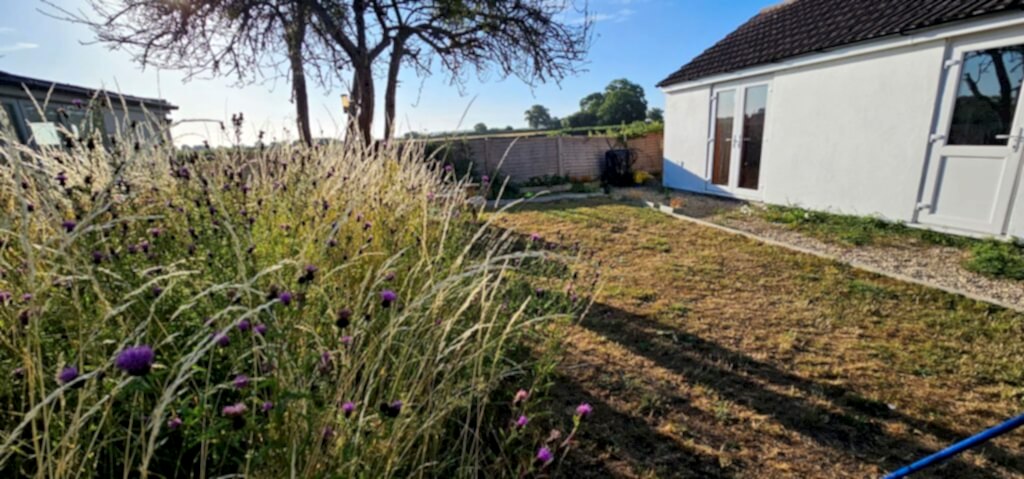
Although the shift might seem minimal or very gradual, since Plantlife began our No Mow May Campaign, the changes in attitudes and behaviours are noticeable. Relaxing our mowing schedules and embracing our wilder gardens is welcomed by an increasing portion of British society, and the shift from immaculate turf installations to immersive wildlife experiences on your doorstep is simply heart-warming.
1700s
Influential landscape designers, including Lanecelot ‘Capability’ Brown are part of the beginning of the traditional English Landscape garden aesthetic. Features such as vast sweeping lawns and parkland tree planting are key aspects to these designs.
1830
Patents for the first lawn mower, enabling the crisp, flat greens of aristocracy to be more readily available to the average home.
1963
The enviable lawn stripes become even easier to obtain thanks to the development of the Flymo mower, allowing a less labour intensive technique to the weekly mow!
2018
Plantlife see an opportunity to raise awareness of the plight of our species-rich grasslands in the wider countryside by encouraging a change in management of our greenspaces by local authorities. A casually used turn of phrase ‘no mow may’ becomes the go to hashtag to punctuate this activity.
2026
No Mow May in its 8th year has become a household name, used to describe a more sensitive way to look after lawns and greenspaces with wildlife as a feature as much as a play or picnic spot. No Mow Movement is gathering momentum and understanding as we embark on creating a shift in attitudes away from making stripes and clean edges to more of a No Mow MAYke a Meadow!