Frogs and Amphibians in Your Garden – How No Mow May Can Help
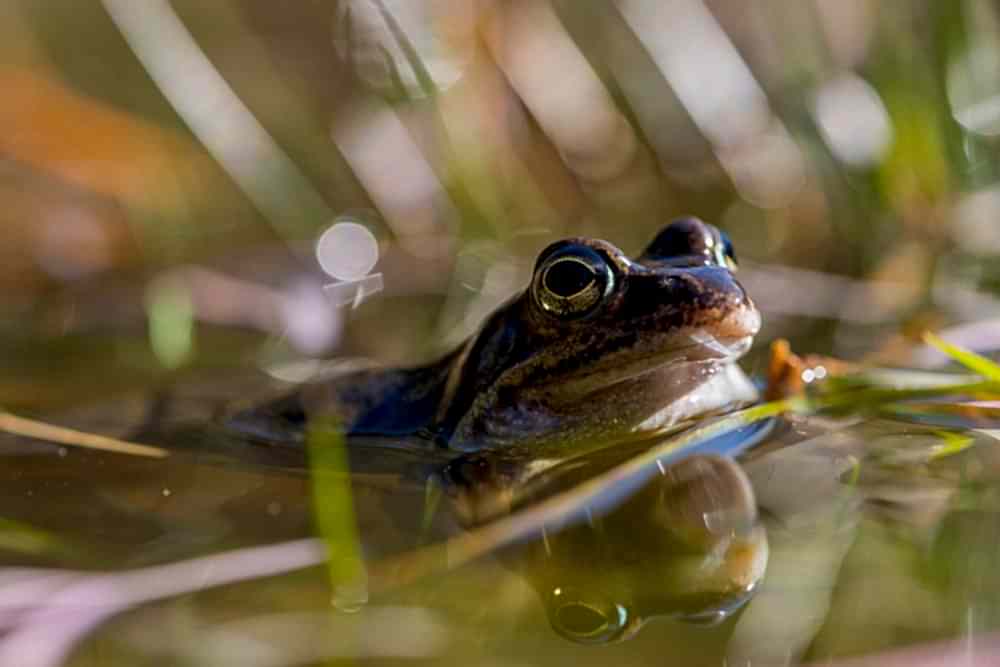
We know that No Mow May benefits biodiversity including our pollinators – but did you know that not mowing can also be a huge benefit to amphibians like frogs?
Here, Froglife joins us to give their top No Mow May top tips and insights, including how not mowing can help, what species to spot and where you might find them.
No Mow May encourages people to let grass grow and wildflowers bloom during May and beyond.
While best known for helping pollinators, it also creates important habitats for amphibians such as frogs, toads and newts, as well as reptiles like slow worms and grass snakes.

Why is No Mow May Good for Reptiles and Amphibians?
Amphibians depend on damp environments because their skin dries out easily. Short, regularly mown lawns can become hot and dry, making them unsuitable. Allowing grass to grow helps retain moisture and creates cooler, shaded conditions.
Longer grass also provides:
- Shelter from predators
- Higher humidity
- Cooler microclimates
- More invertebrates for food
This makes gardens and green spaces safer places for reptiles and amphibians to feed, rest and move through.
What Species of Amphibians Benefit from the No Mow Movement?
Common species that benefit include:
- Common frog
- Common toad
- Smooth newt
- Palmate newt
You may even be lucky enough to see great crested newts!
Reptiles such as slow worms and grass snakes may also use longer grass for cover, hunting and temperature regulation.
Where to See Amphibians Including Frogs?
Amphibians often breed in ponds, but, like reptiles, they spend much of their lives on land. Both species can be found in:
- Gardens
- under logs, leaf piles or shrubs
- Parks, allotments and community green spaces
People without gardens can still support wildlife by encouraging less mowing in shared spaces or supporting local initiatives.

How Does the No Mow Movement Boost Biodiversity?
No Mow May and the wider Movement benefits whole ecosystems. Longer grass and wildflowers increase insect numbers, providing food for reptiles, amphibians, and other wildlife.
Healthier habitats also support pollinators, improve soil quality and create more balanced food webs. Reptiles and amphibians are good indicators of environmental health, so supporting them benefits a wide range of species.
Why Go Beyond No Mow May?
Extending No Mow May into summer and beyond brings even greater benefits.
Different stages of amphibian and reptile life cycles depend on longer vegetation:
- Spring: amphibians and reptiles breed and migrate
- Summer: young amphibians and reptiles disperse to wider habitats and need cover
- Autumn: reptiles and amphibians prepare for hibernation
- Winter: undisturbed areas provide shelter
Maintaining a mix of habitats, long grass, shorter paths, and features like log piles, supports more wildlife than a neatly mown lawn.
No Mow May is a simple way to make gardens and shared spaces more wildlife-friendly. Continuing these practices beyond May helps create connected habitats across urban and rural areas.
Even small changes can make a difference, helping frogs, toads, newts snakes and lizards survive and thrive alongside people.
Make the No Mow May Pledge
Plantlife’s No Mow Movement is here – let’s let it grow for nature! Pledge to take part today and get a FREE No Mow May guide.
It’s one of the easiest ways to connect with wildlife and the perfect way to start supporting nature in your garden (in May and beyond!).