How to Increase the Number of Wildflowers in Your Garden
A rainbow of wildflowers in your lawn doesn’t just bring garden owners joy, but it is also the sign of a healthy and thriving garden.
Learn how to increase the number of wildflowers appearing in your lawn this year with our expert guidance.
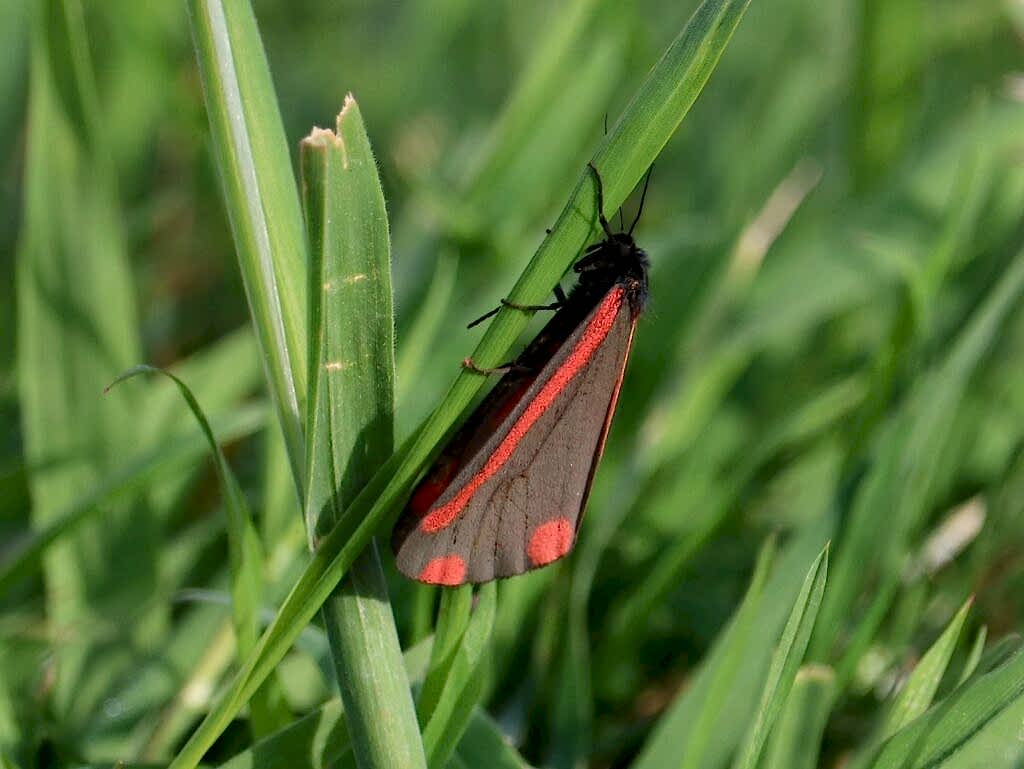
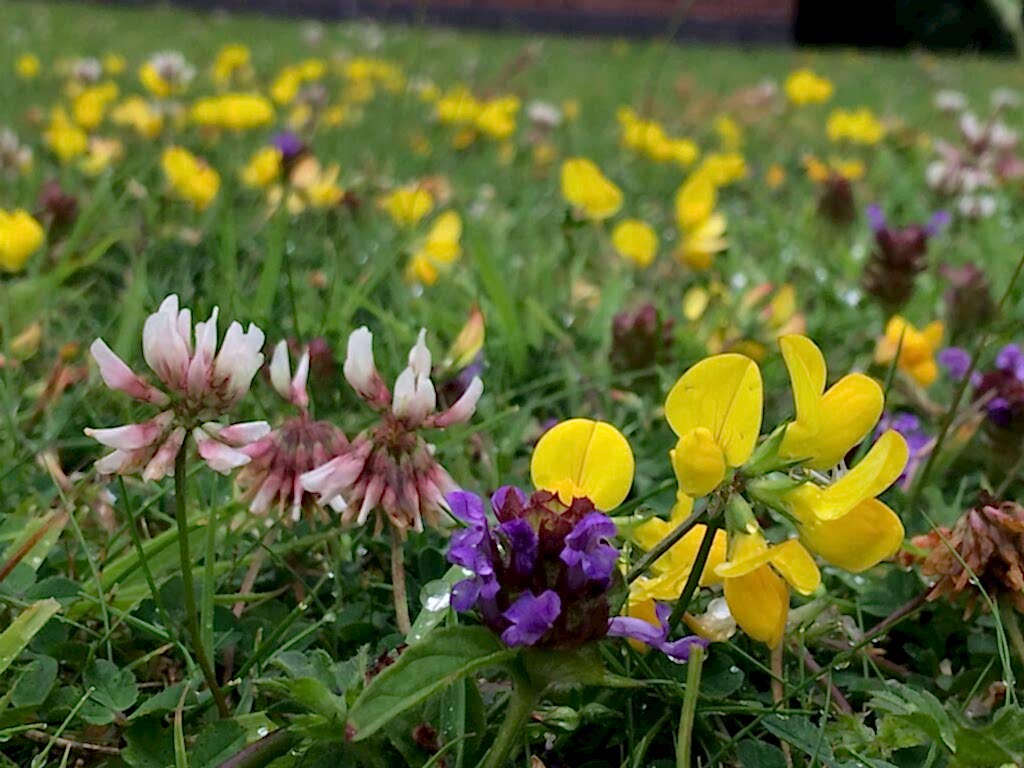
Different flowers provide different resources for different wildlife species. Clover on a short flowering lawn provides a lifeline for bumblebees, long grasses provide an essential resource for butterflies and moths such as the Small Skipper, and Goldfinches are attracted to Knapweed when it sets seed.
But how do you increase the diversity of plants in your garden? Here are some tips from Plantlife’s wildflower experts to help you create a blooming bonanza!
In Spring and Summer

- Avoid using herbicides, fertilizers and moss killers as these are detrimental to wildflower species.
- Allow plants time to go to seed before cutting your lawn so they increase naturally.
- Remove grass cuttings to prevent nutrient build-up in your lawn which might discourage wildflowers to grow.
In Autumn

- Introduce Yellow Rattle – known as ‘the Meadow Maker’ – to long-grass areas as it reduces growth of competitive grasses giving wildflowers more space to grow. Here’s our comprehensive guide to growing yellow rattle.
- Introduce native, meadow plug plants, preferably in the autumn. Choose suitable perennials such as Cowslips, Bird’s-foot Trefoil, Betony, Oxeye Daisy, Selfheal and Knapweed. You may need to help them establish in the first couple of years, ensuring they don’t get crowded out by the grasses.
- Sow native flower seed in patches of prepared soil in the autumn. Remove the top few centimetres of turf from a small area, break up the soil a little with a fork and sprinkle the seed in the patch. Keep well-watered if the soil is dry until the plants are established. Read more in our guide here.
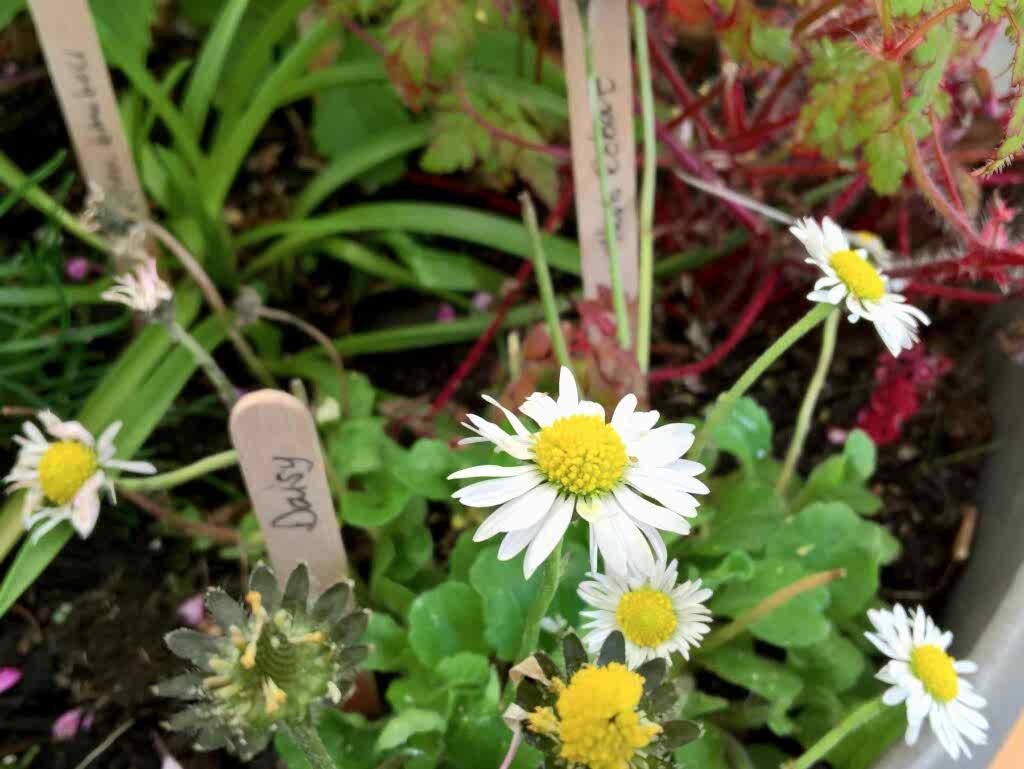
Don’t forget that humble dandelions and daisies are fantastic lawn flowers!
They are some of the first lawn flowers to appear each year and provide much needed food to early bees and other pollinators when there is little else out in flower. Sparrows also enjoy feasting on their seeds as a tasty snack.
Make the No Mow May Pledge
Plantlife’s No Mow Movement is here – let’s let it grow for nature! Pledge to take part today and get a FREE No Mow May guide.
It’s one of the easiest ways to connect with wildlife and the perfect way to start supporting nature in your garden (in May and beyond!).