Go Wild in the Garden with these Gardening Jobs
It’s estimated that there are 23 million gardens in the UK – that’s a lot of land with which we can be gardening for wildlife!
Bees, birds and butterflies are not only beautiful in their own right, but are useful for the gardener, from pest control to pollination. Bees help pollinate flowers and food. Frogs eat slugs. Birds and ladybirds help keep aphids at bay.
If you want to create a home for wildlife in your garden, here’s a couple of nature-friendly gardening jobs to inspire you. If you create the right space, nature will come.

Why Are Native Plants Important?
Wild plants are great for wildlife. This is because our native plants and animals have been around longer than species that have been introduced to this country. They’ve evolved together and are more likely to support and sustain each other.
- Wildflower blossom provides food in the form of nectar and pollen for bees and other insects. Look out for them in the native plant section of your local garden supplier – don’t forget to check that they’re grown in peat-free compost too!
- Fruits and berries are important for feeding birds when food supplies are short later in the year – small trees and shrubs that are good for blossom and berries include Rowan, Crab Apple, Elder, Blackthorn and Hawthorn.
Not got a lawn? Small bushes and trees, and many wildflower plants can be grown in pots!

Turn Your Garden into a Wildflower Meadow
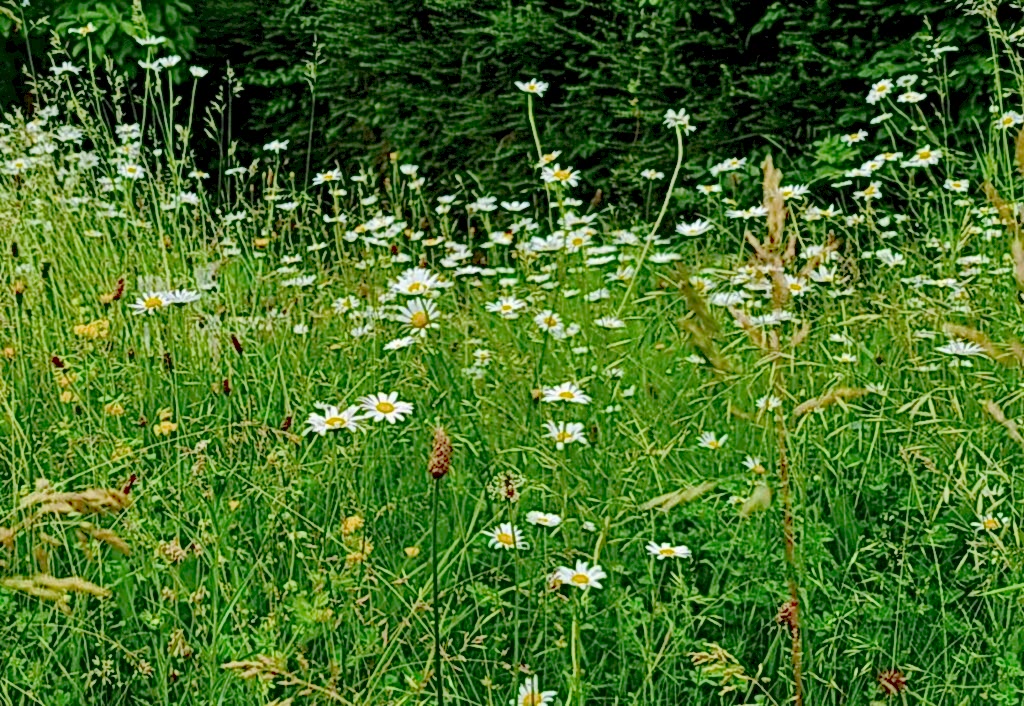
Simply leaving patches of lawn to grow longer will allow flowers to bloom for bees and butterflies and provide shelter for small mammals such as wood mice, voles and shrews.
Be part of Plantlife’s No Mow May Movement and leave the lawn mower in the shed this summer – if you want to take it a step further, we recommend leaving some areas for much longer between mows. Different lengths of grass left in your garden for the whole year will welcome and provide a home for much more wildlife. Shorter grass welcomes clovers and daisies, and grass that has been left to grow all year is a paradise for butterflies and other wildlife.
Plan Your Garden and Get No Mow May Ready
Maybe this will be your first year doing No Mow May, in which case you might want to spend a bit of time planning where you want to leave long all summer long, where you maybe want to mow monthly and where you want to have short or paths for walking around. You could draw up some designs even for creating wild and wonderful shapes. Or you could simply devote your entire lawn or green space to the way of the meadow!

Build a Wildlife-friendly Pond
One of the best ways to bring wildlife into the garden is to build a pond. It doesn’t have to be big – a container such as a washing bowl or old sink will do. But it needs to have at least one sloping side or ramp so that creatures can easily get in and out.
Put your pond somewhere partially sunny and wait for it to fill with rainwater for best results. Bring it to life with native plant species such as Marsh Marigold Caltha palustris, Water Avens Geum rivale and Bogbean Menyanthes trifoliata.
In summer and during heat waves this water source will be a vital lifeline for thirsty birds, as well as a space for flies such as dragonflies and hoverflies to reproduce.

The Benefits of a Wild Garden
Leave the untidy corners and wild areas – it might be tempting to start tidying up the garden before the growing season starts, but these areas of leaf litter, twigs and longer grass along fences or hedges are perfect spots for insects, reptiles and amphibians to have been sheltering over winter. If you start to tidy it up too early you could be disturbing a slumbering creature that isn’t ready to spring into action until the weather starts warming up.
This also goes for the remnants of last years plants in your borders or pots. Sometimes these dead stems and leaves are perfect for insects to hide in whilst it’s cold and damp. Therefore leave these up all winter if you can and only ‘tidy’ up when the spring days are warm enough.
Take Part in No Mow May
Plantlife’s No Mow May Movement is here – let’s let it grow for nature.
It’s is one of the easiest ways to help the environment from your garden, in May and beyond.