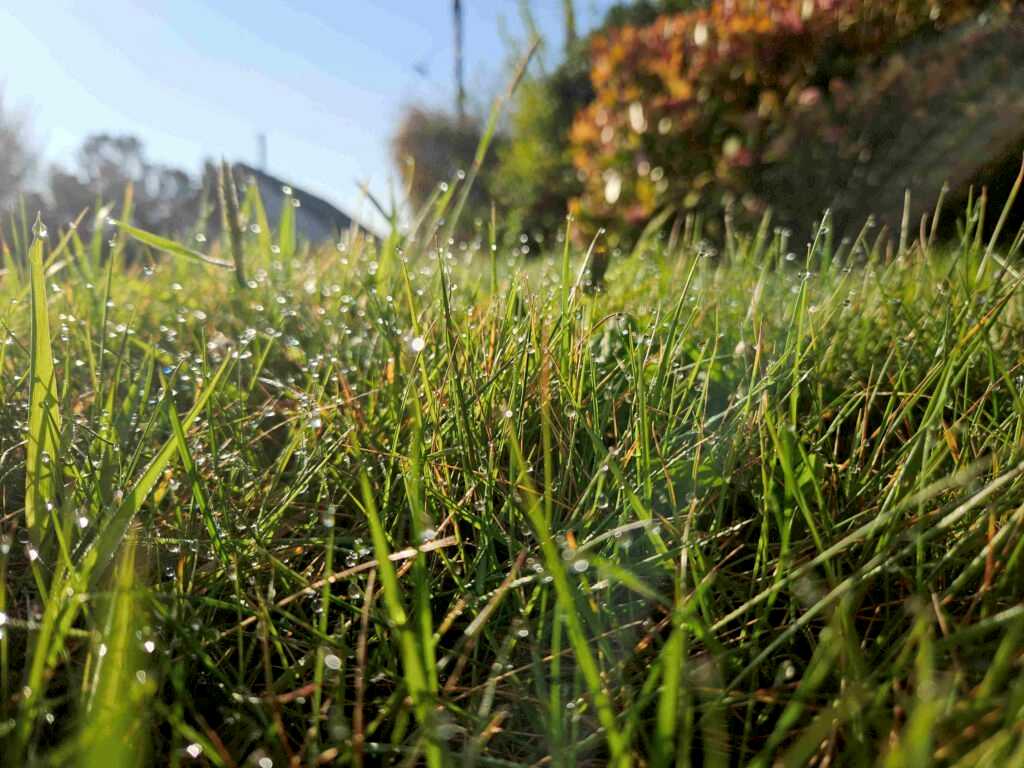
Lizzie Wilberforce
Protecting Waxcaps: All the Losses We Cannot See…
Britain’s waxcap grasslands are considered to be some of the best in Europe.
Discover the pressures these colourful fungi and their habitats face, and how you can take action to protect them for the future.
The autumn spectacle of multicoloured waxcaps is an important indicator of ancient grasslands that have been unploughed for decades, and which are rich in carbon and soil biodiversity.
Unfortunately, many of these irreplaceable grassland fungi sites continue to disappear under tree planting, new houses, intensive farming, transport infrastructure and more. It is certain that many more are also lost unseen, because of a series of interlinked issues that place the conservation of fungi far behind that of other taxa like mammals and birds.
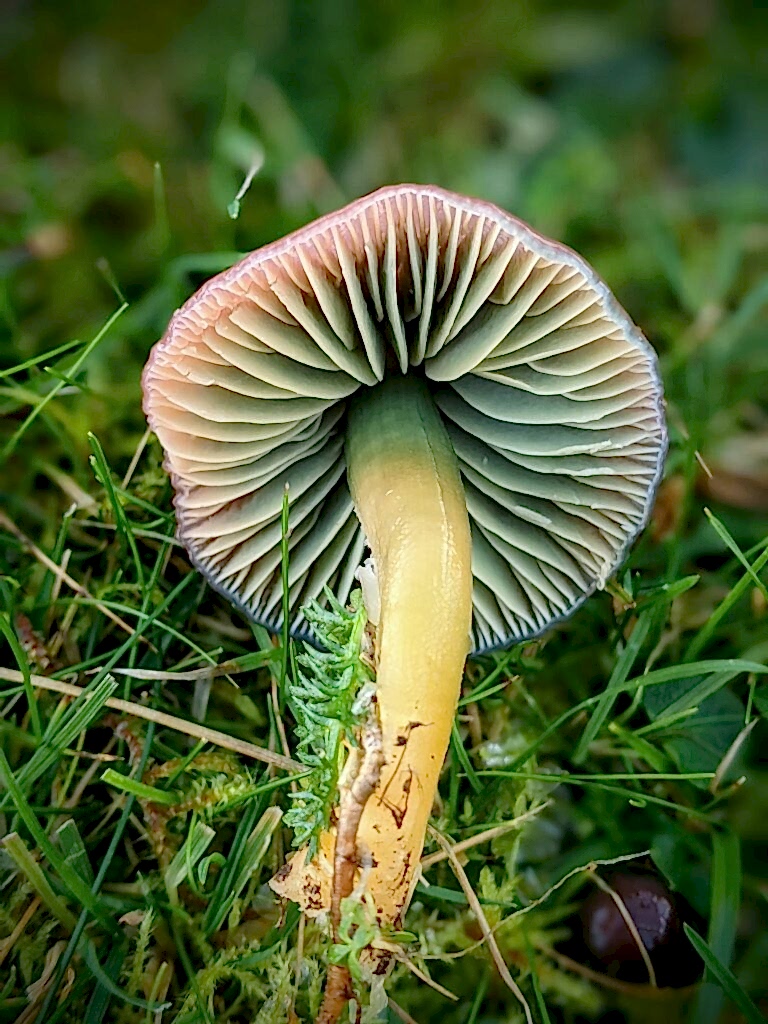
What issues do grassland fungi face?
The first, and perhaps most important, is the shortage of skilled field surveyors able to identify and record fungi (known as mycologists). Fortunately, there does seem to be an increasing interest in fungi amongst the public. The 1,500 members of Plantlife’s #WaxcapWatch Facebook page is a reflection of this, and is very encouraging.
However, the number of people working professionally as field surveyors remains very low. Most ecological consultancies, who undertake survey work to protect wildlife during development, don’t employ mycologists.
This lack of expert recorders and recording means that we still have very little data describing the distribution of fungal species across large parts of the country, especially compared to other taxa.
What happens when there is no data?
There is huge pressure on land use today. We need land for farming, for tree planting, for renewable power generation, for housing: the list goes on. Our ability to deliver nature’s recovery depends on us making good decisions when planning these activities. That in turn ensures that nature is protected, and actually restored, in line with government targets and policies.
However, picture this: plans are afoot to build a large new housing estate on formerly sheep-grazed agricultural land. Ecological surveys are required. However, a search of databases doesn’t reveal any fungal records, because no field mycologists have ever visited the land.
The ecological consultancy visits the site in summer, because that’s when plants, birds and mammals are best surveyed. They don’t employ a mycologist. The plants in the fields aren’t that interesting- and so the proposal gets the go ahead. In fact, the fields are incredibly rich in waxcaps, but nobody knows, and nobody looks. The site is lost without ever being recognised for its biodiversity.

The impact of development on our hidden fungi
This is a very real problem that Plantlife is currently observing in multiple cases across Wales at present. Fungal surveys are difficult to do, and often considered unreasonably burdensome for developers, even for large projects. As a result, we are losing precious ancient grasslands before we’ve even been able to recognise them for what they are. You can’t compensate for an impact on something you never knew was there.

It’s also likely to be an increasing problem in the coming years with large infrastructure projects being planned. For example, in Wales there is a huge amount of work scheduled to reinforce our electricity supply grid, with new cabling going in across the country. Julie James MS, the Minister for Climate Change in Wales, said in 2023 the presumption will be that new cables will be underground, to reduce the visual impact. Will the impact on fungi be adequately identified and mitigated? At present, that seems unlikely.
What can we do to help grassland fungi?
All is not lost, and there are many things we can do to address this problem.
- We need government, local authority planners, and developers, to recognise that current systems regularly fail to identify sites that are important for fungi, and make sure that the impacts on our internationally important ancient grasslands are better addressed.
- We need better legal protection for fungi. For example, there are presently only 27 species protected under Section 7 of the Environment (Wales) Act 2016, compared to 51 birds and 188 invertebrates.
- We need more investment in surveying fungi before committing to land use change. That means training and employing more field mycologists, but also making more and better use of new techniques such as eDNA surveys. These surveys can identify fungi present in the soil, and help to reduce our dependence on surveys during the autumn fungal fruiting season.
- We need more data. We can all help with that, by recording fungi when we see them. Even if you aren’t an expert, you can take part in our Waxcap Watch, which only asks for the colours of grassland fungi you see. This helps to identify sites of potential value. When the value of a site is understood and recorded, it makes it easier to fight to defend that value.
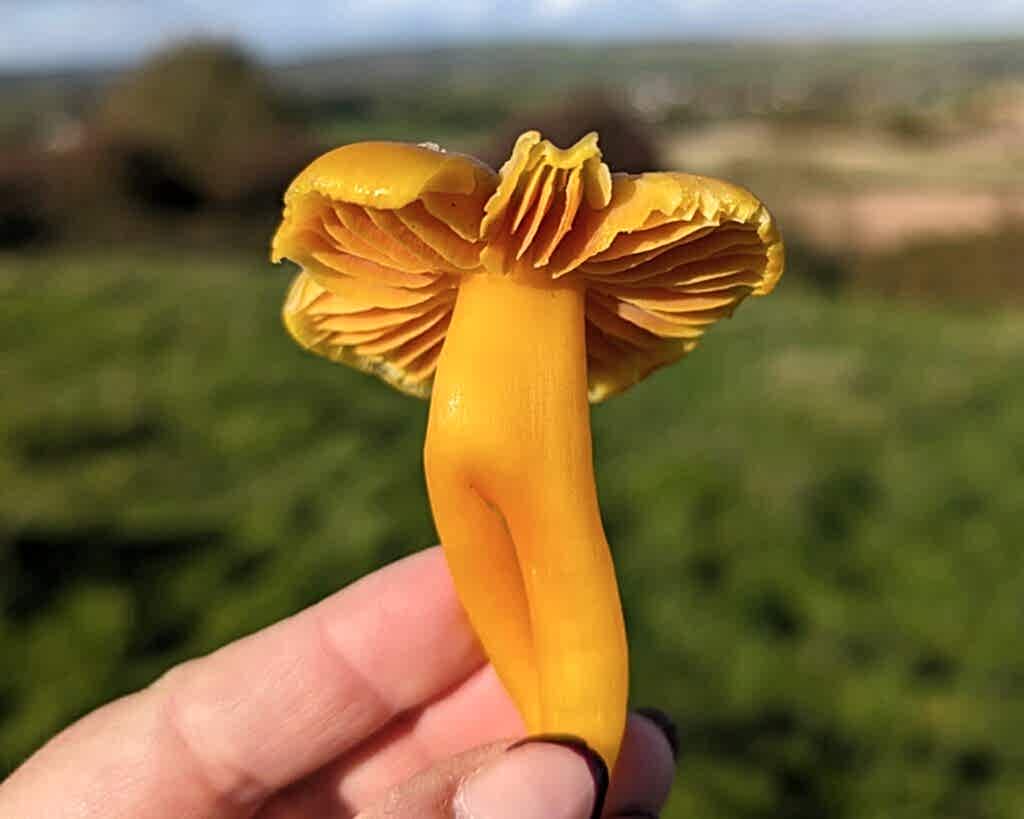
Take part in the #WaxcapWatch
The fight is not over, and it’s not lost, so join us in our efforts to get ancient waxcap grasslands recognised and better protected for the future.
Protect grassland fungi by taking part in the #WaxcapWatch