The Grassland Gap
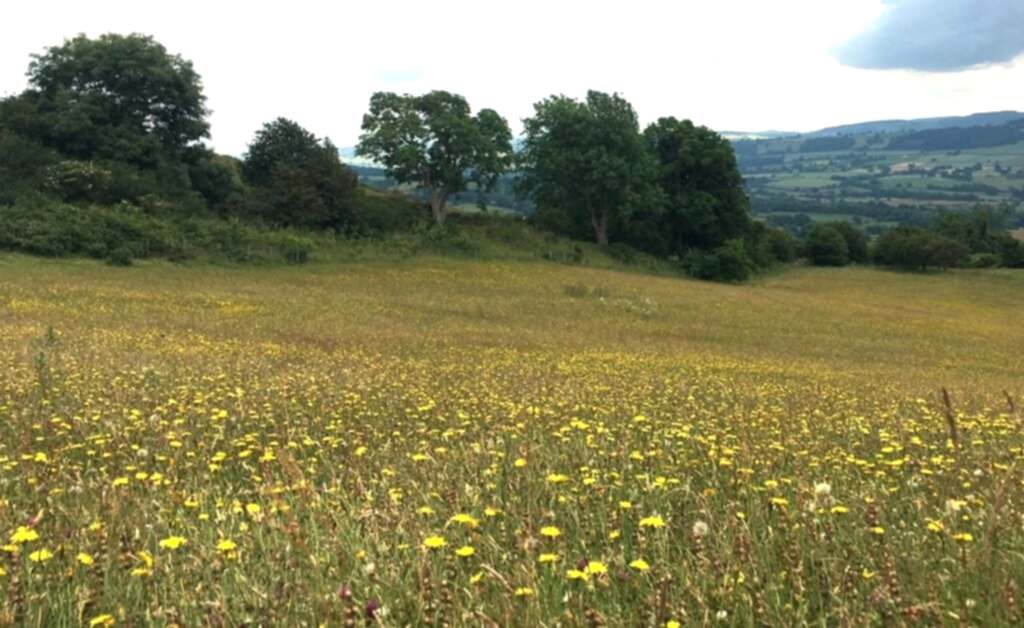
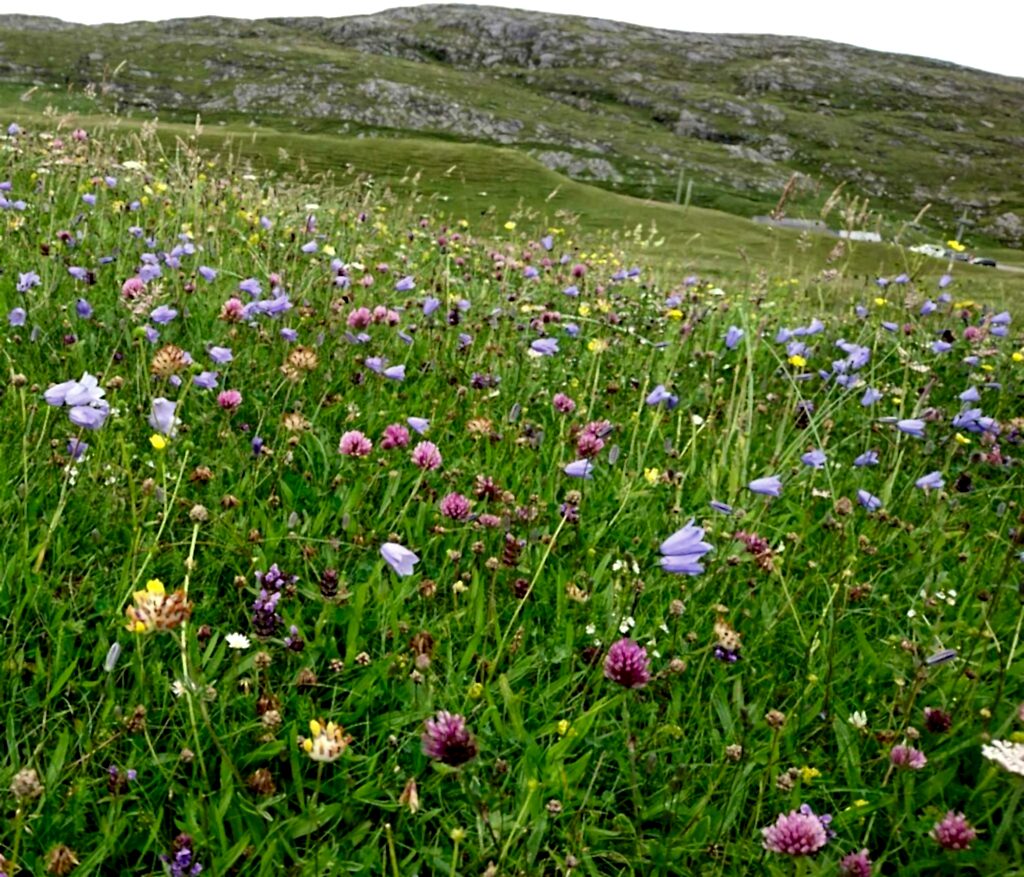
From mountain pastures to floodplain meadows, grasslands cover more than 40% of land in the UK.
They are a huge natural asset; vital for nature and people to thrive, for food production, and to combat climate change.

- Go to:
What we’re asking for
The true value of grasslands has been overlooked by successive governments in the UK.
The majority of our ancient wildlife-rich grasslands have been destroyed and they are now among the UK’s rarest habitats – with losses continuing today. Over-fertilised and monoculture fields now dominate our landscape, providing few benefits for nature, people or our climate.
It’s time for real action to make the most of our grasslands.
Grasslands deserve the same level of focus and investment given to woodland and peatland in government policies.
This would help to achieve national and international climate and nature targets, by driving the restoration, appropriate management, and creation of wildlife-rich grasslands, connected across the landscape.
Grasslands can provide many incredible ecosystem services and benefits – such as supporting wildlife, storing carbon, providing clean air and water, and producing nutritious food – but they could be doing so much more.
Plantlife and our partners are calling on the UK Government to prioritise grasslands and commit to developing a Grassland Action Plan for England.
To unlock the benefits of grasslands, a new approach is needed. We’re calling on governments in the UK to make the most of our grasslands.

We’re Calling for a Grassland Taskforce
The untapped potential of grasslands continues to be overlooked by government – but protecting, restoring and managing these incredible habitats is crucial for tackling the climate and biodiversity emergencies.
We’ve written to the government to urge them to create a cross-departmental Grassland Taskforce. Unlike trees and peatland, there is no dedicated team or person in government for grasslands, despite them covering 40% of England.
The letter has been supported by more than 40 environmental organisations and charities including Pasture for Life, Bumblebee Conservation Trust, UK Youth for Nature and Campaign for National Parks.
But the response from the minister was really disappointing.
The Government Needs to Prioritise Grasslands
Our letter called for a Grassland Taskforce to be set up and prioritised within policy making. But the response from the minister was really disappointing.
Not a single person is specifically responsible for grassland policy within Defra, despite different types of grasslands and meadows covering more than 40% of England’s land.
This is exactly our point. With different parts of Defra working in siloes on issues affecting grasslands, they are missing opportunities for joined-up actions that will make the most of grasslands to deliver the government’s priorities and benefit people.
The expertise available on grasslands is currently being undervalued by government. From farmers, land managers, academic researchers, local communities, local planning authorities, businesses and investors – there’s a wealth of expertise out there.
For woodlands and peatlands, there are dedicated staff within government working to protect these important habitats. Shouldn’t grasslands get the same attention?
We will keep asking government to fill the grassland gap with dedicated resource.
Government Support Withdrawn For Farmers And Grasslands
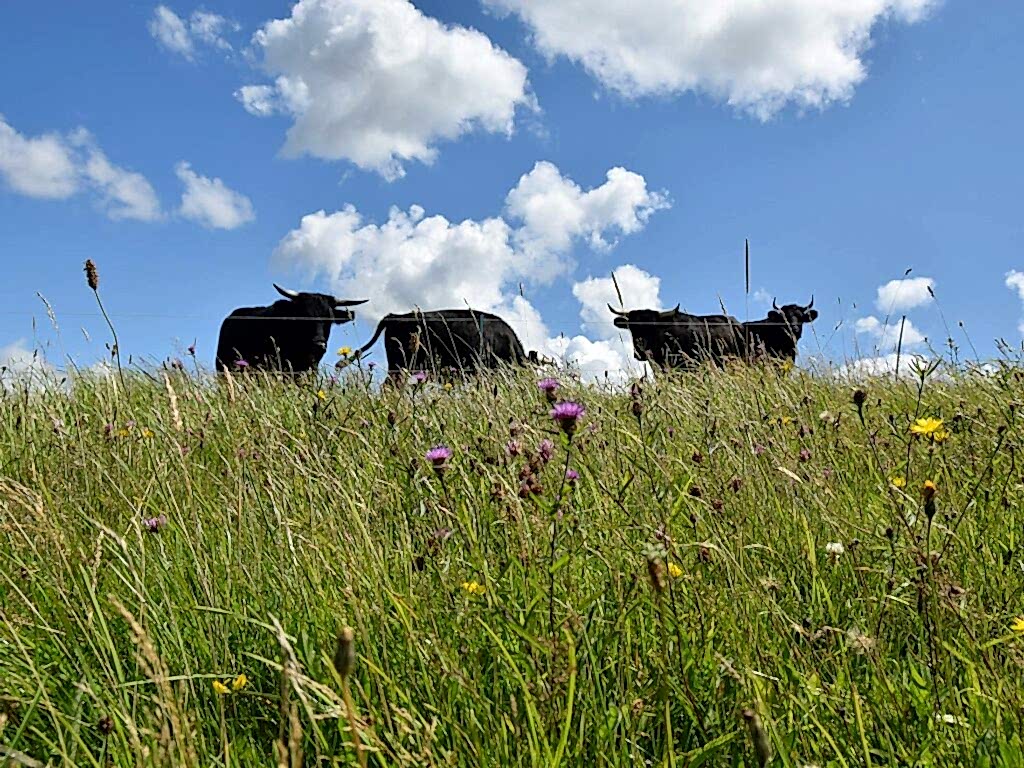
A change by the Government is putting irreplaceable habitats at risk and preventing farmers trying to protect species-rich grasslands from helping nature.
The Government has removed payments from the majority of farmers who manage, or want to manage, species-rich grassland. So, we’ve sent a letter to the Government, signed by 18 partners from across the farming and environment sector, calling on ministers to rethink their decision.
The Department for the Environment, Food, and Rural Affairs (Defra) has removed the payment to manage and restore species-rich grassland, in its 2026 review of the Sustainable Farming Incentive (part of the new agri-environmental land management scheme for farmers).
This payment was only introduced in 2024 to recognise the importance of this farmland habitat for nature, climate, farming and heritage. Without it, some farmers may be forced to consider ploughing or fertilising these precious meadows and grazing pastures.
We’ve shared this statement with the Minister for Food Security and Rural Affairs and will continue to engage with Defra on the matter. It’s also been signed by 18 organisations, including The Real Farming Trust, National Landscapes Association, and Pasture for Life.
If you’re concerned about this issue, please leave a comment on Defra’s Sustainable Farming Incentive 2026 blogpost.
Reports and Supporting Information


The Value of Grasslands
From mountain pastures to floodplain meadows, from road verges to private gardens and urban parks – grasslands are all around us. Nature-rich grasslands are sustainable solutions for nature, food, climate, economy, and health.
Discover the wealth of benefits provided by these biodiverse habitats and why we need to take action to make the most of our grasslands.
Our Partners

If your organisation would like to support this important call out please contact [email protected]