One of the UK’s Rarest Plants Given Vital Lifeline
The endangered species Field Wormwood is one of the rarest plants in the UK. Before our work to conserve this precious plant, just 530 individual plants were known in the UK.
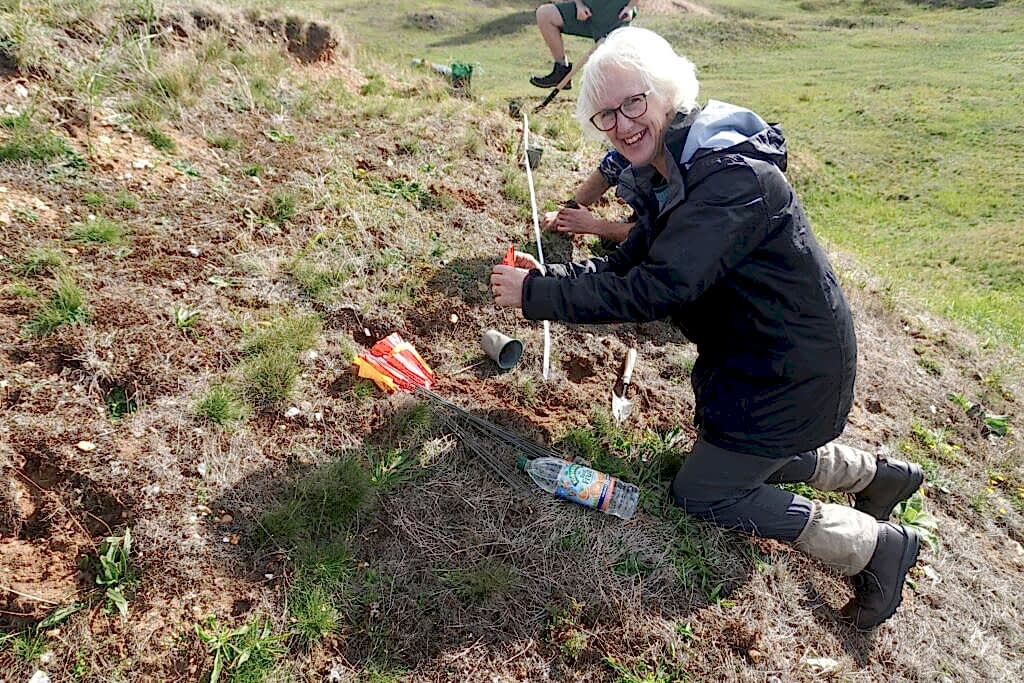
One of the UK’s rarest plants, Field Wormwood, has been given a lifeline to try and boost the numbers of this endangered plant. This rare species is found nowhere in Britain apart from the Brecks where it has just been introduced to a new site. We have just undertaken the largest conservation effort for this plant for over 25 years.

Why does Field Wormwood Need Help?
Across the UK, Field Wormwood Artemisia campestris can only be found in the Brecks – at just 3 native sites and 7 translocation sites. It is one of the rarest plants in the UK and is listed as an endangered species, according to the GB Red List of Threatened Species.
It can thrive in the Brecks, but the numbers of this rare plant have dramatically declined due to development, forestry and intensive farming.
The impacts of theoretically losing Field Wormwood could also have drastic biodiversity impacts in the Brecks. Field Wormwood is particularly important for a very rare beetle Wormwood Moonshiner, which depends on the plants’ seeds for food during the cold autumn and winter months.
How Did we Translocate Field Wormwood?
In a bid to ensure this plant’s survival in the Brecks, we used a method called translocation – a process used in conservation which involves moving a plant to a new location where it will hopefully survive and thrive.
Recently, a total of 78 Field Wormwood plants were successfully translocated from Banham Zoo to Warren Hill, Mildenhall. The site was chosen for its steep slope and poor, chalky-sandy soils. It’s hoped the steep slopes will increase the plants’ chances of survival because this species is susceptible to grazing and unable to cope with competition from other vegetation.
The plants were grown from seed collected from the two largest remaining local sites by Plantlife and Natural England staff, cleaned and stored by Kew Millennium Seed Bank, then planted at Banham Zoo in February. Growing the plants at the Zoo gave them a headstart, optimising their chance of survival. The new site is owned by Forestry England and managed by Norfolk Wildlife Trust.
Before we started conservation work, there were just 650 individual plants in the whole of the UK. However, the species is widespread in Eastern Europe.
This translocation is also part of broader ambitions to develop our understanding of the ecology of Field Wormwood and the life cycle of the rare beetle, Wormwood Moonshiner, that appears to rely on Field Wormwood. It is part of a wider collaborative conservation effort between Plantlife, Banham Zoo, Natural England and Buglife.

How Could This Help a Rare Beetle?
The rare beetle Wormwood Moonshiner Amara fusca could greatly benefit if Field Wormwood populations could be restored.
This beetle has only ever been spotted at night, at sites where Field Wormwood is present – either feeding on the plant’s seeds or on adjacent Yarrow plants.
It is hoped that once established, this new site of Field Wormwood will attract the Wormwood Moonshiner beetle and help it to thrive.
The chosen translocation site is 3km from the nearest known site with Wormwood Moonshiner, so it will help us to learn if the beetle is able to move this far to find them.
Why is Field Wormwood Only Found in the Brecks?
The unique environment in the Brecks really suits this plant. With its long tap roots it can thrive in the Brecks’ nutrient-poor chalky-sandy soils, and cope with the dry, hot and cold conditions associated with this unique landscape. The Brecks, which spans across Norfolk and Suffolk, is one of the driest parts of the UK. Meanwhile plants which would outcompete it struggle to grow, leaving plenty of space for Field Wormwood.
What’s Next?
Now the plants are at the new site, we need to monitor how they grow. We will know the translocation has been a success once the plants are self-sustaining, which means they have set seed with enough germinated plants growing to replace the planted population. This could take up to 5 years.

Field Wormwood successfully translocated to a hill in Middenhall

Planting Field Wormwood
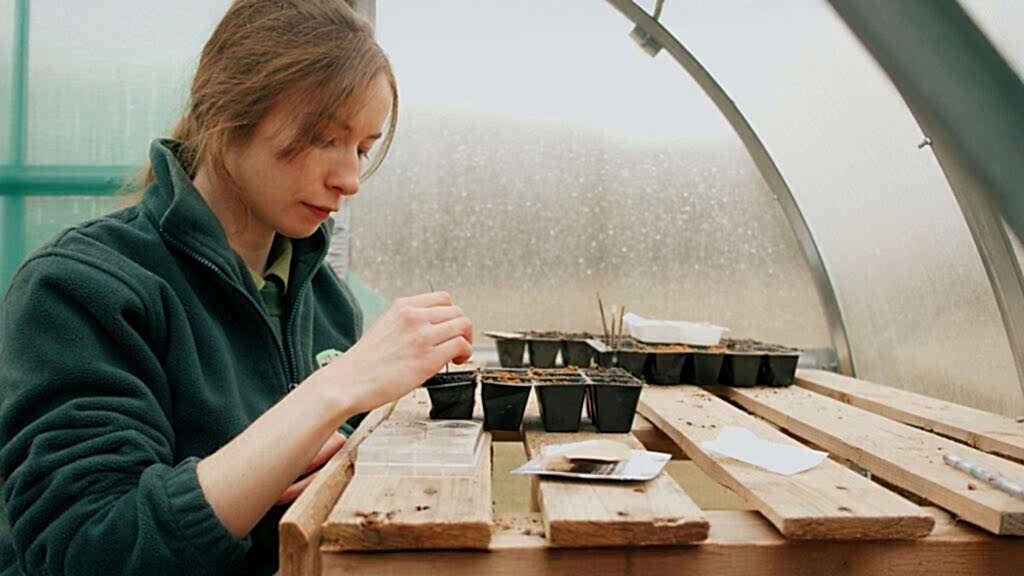
Planting Field Wormwood seeds at Banham Zoo

People planting Field Wormwood on a hill in Middenhall

Will You Help Save Endangered Species?
Over 25% of Britain’s native plants are threatened with extinction – your gift today could change that.