
6 Ways to Help Nature in 2026
From citizen science and volunteering, to making space for nature and forging a deeper connection with it – conservation is for everyone.

Nature needs our help. The UK’s plant species are in decline, and 1 in 6 wildlife species are at risk of extinction.
But, there is so much hope. We have been involved in a number of projects that have brought species back from extinction, helped protect species on the edge and encouraged thousands to let their lawns grow wild for nature. And the good news is, everyone can help.
Whether you’re a landowner or someone without a garden – there are ways for everyone to get involved.
How can you get involved?
1. Volunteer
Within the world of conservation there are many ways to volunteer your time, and we have opportunities out in the field, or even from home. We currently have a team of dedicated volunteers that support us with conservation work, botanical surveys, through photography and on our website – there’s something for everyone.
Hear from our volunteer Jane in the video below, and find out more about volunteering with us here.
And of course you don’t have to volunteer through us, there are many other charities in the conservation sector you could opt for.

2. Become a Citizen Scientist
We have a number of opportunities for citizen scientists. Our annual Waxcap Watch for example is a great way to get involved. The campaign encourages everyone from mycologists and fungi enthusiast to beginners, to get out in search of bright beautiful waxcap fungi. Waxcaps are an indicator of rare, species-rich grassland. Knowing where waxcaps and other grassland fungi are thriving helps us pinpoint where fragments of ancient meadows survive, so we can protect them for the future.
Then there is also the National Plant Monitoring Scheme, a partnership between Plantlife and BSBI, UKCEH, and the JNCC, which encourages people to conduct surveys twice a year to provide data that helps us study the abundance and diversity of plants over time.
You don’t need a botanical background to get started. as there are different levels to choose from, with beginners asked to record just 10 to 15 common and easily identifiable species at each plot.
Find out more on our website here.
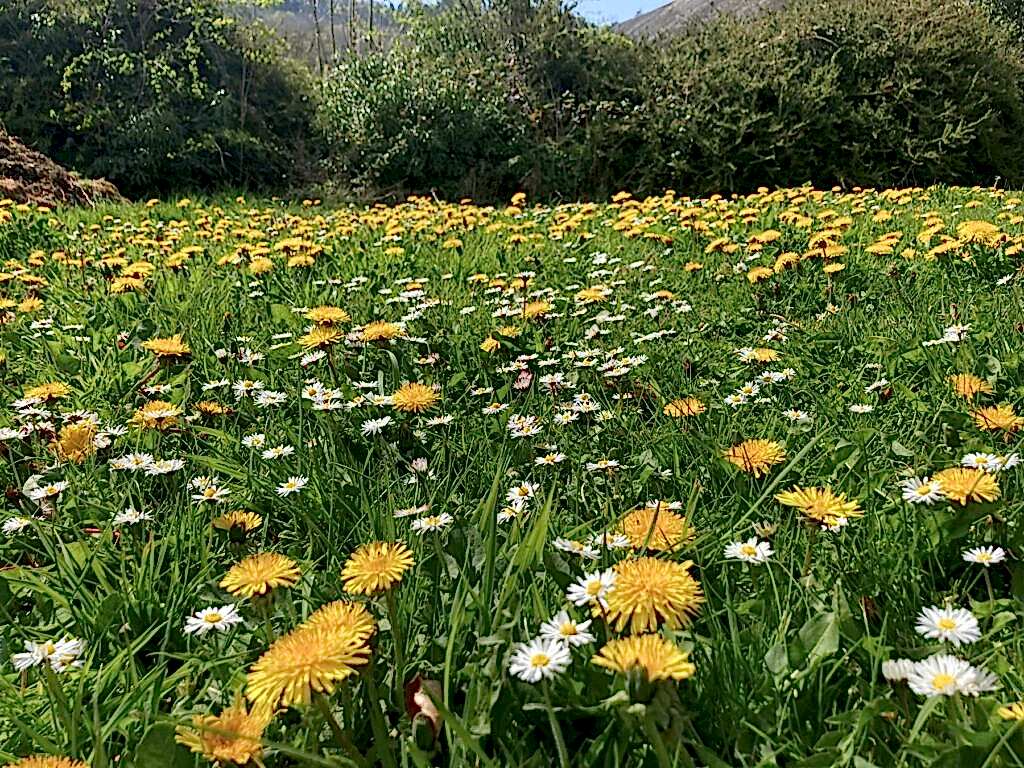
3. Take Care of Nature From Home
There’s so many ways you can implement care for nature into your day to day life – here’s some of our favourite ways to get started:
- Join thousands of people letting their lawns grow wild for nature through the No Mow Movement. Lawns can sometimes be overlooked, but they are full ecosystems right out of our front doors. From the variety of grasses, to pretty wildflowers, to the realm of fungi and microbes that live among the roots. Head to our No Mow Calendar here to get a head start.
- Sow native wildflower seeds – with nature in decline, sewing the seeds of native wildflowers can go a long way to help. These varieties have evolved in unison with our wildlife, so our pollinators and insects will thank you too. Read our full guide on creating a pollinator friendly garden here.
- Go peat free! The extraction of peat for gardening and horticulture continues to damage wildlife and our climate. The government has committed to introduce legislation to end the sale of peat, but we need your help to turn this promise into action. Add your name to help protect peatlands for the future.
4. Spend Time Connecting to Nature
Whether it’s by spending a virtual minute in a meadow with our video below, or heading to your local nature reserve – connecting with nature is so important.
The health of nature and our own health and wellbeing are intrinsically linked. There are countless studies that show the benefits time in nature can have – from lower stress levels, to improved mood and mental health.
For more ideas, visit our Explore the Outdoors page here and discover more of the magical world of wild plants and fungi.

5. Stand-up For Nature
Every day, our wild plants and fungi are put at risk from planning decisions, chemical sprays and more. But hope is not lost. If you see nature in danger, there are a number of things that you can do to help protect the plants and fungi in your community.
From being aware of the species in your area and helping to record them, to raising any concerns with your local planning authority or elected councillors – you can help stand up for wildlife.
Read our guide here to stand up for nature.

6. Get Your Community Involved
We know that nature can help boost our wellbeing, but it can also improve connection to our communities.
One way to share the love of nature is to start a community meadow. Not only will you encourage more plant and animal wildlife to your local area, but you can enjoy time outdoors, make new friends and share the importance of nature.
Community meadows can help pollinators, store carbon, provide green spaces for everyone to enjoy and tackle biodiversity loss.
Read our guide on how to start a community meadow here.


