5 Native UK Grasses You Need to Know and Why
They might not be as colourful, but they’re every bit as important and add movement and texture to our landscape. From sweet scents to clever survival strategies, our native grasses are full of surprises.
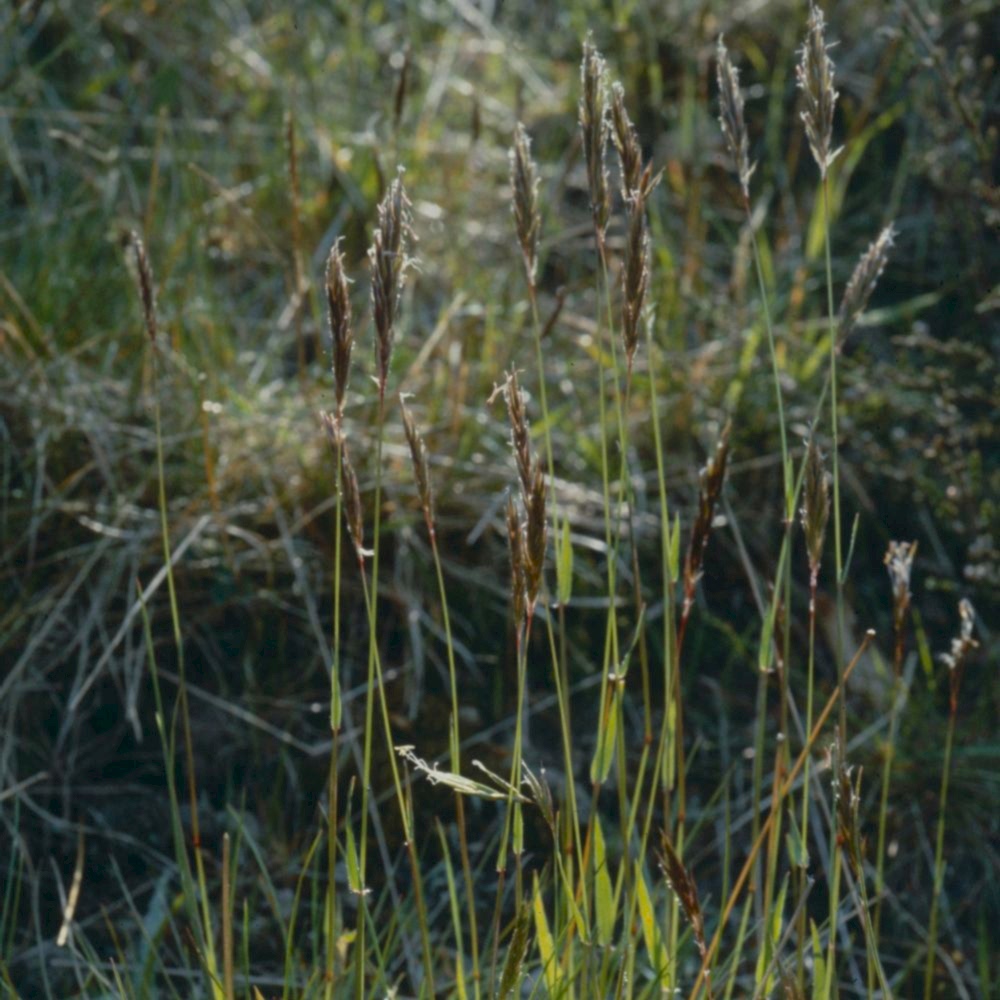
When we think about our gorgeous grasslands, the focus can often be on wonderful wildflowers or waxcaps (and they definitely deserve the spotlight sometimes) – but we think grasses deserve a day in the sun too!
Grasses are tall and towering, with fluffy seeds scattering in the wind, these structural beauties not only add to our biodiversity, but they come with a number of other benefits too. Grasses can provide essential food for caterpillars and birds, shelter for insects, amphibians and smaller mammals, and stabilise soil with long root systems that help grasslands in droughts and floods.
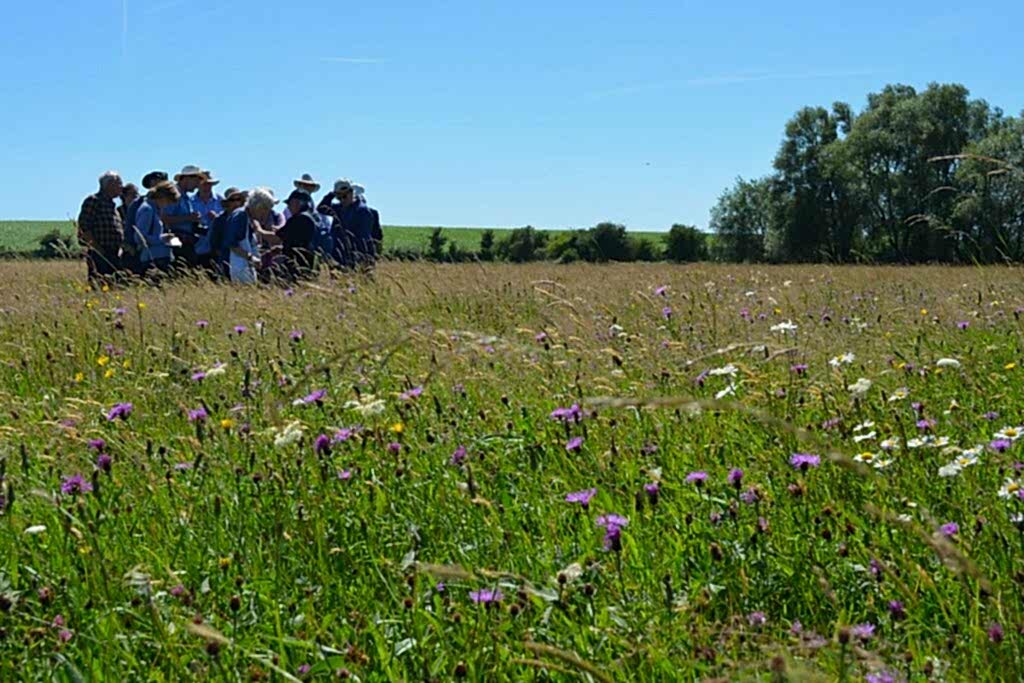
The end of July is traditionally when hay meadows are cut, which is a timing that our wildlife has adapted to over generations. Hay cuts work in sync with the breeding times of ground nesting birds and insects, providing them with shelter when they need it most and then being cut back to boost biodiversity when they’ve left their nests.
So, while the end of summer might not be the best time to see grasses in meadows, there’s so many other grasslands to explore! Let’s take a peak in road verges, pastures and even our own lawns and local green spaces and discover 5 native grasses you need to know.
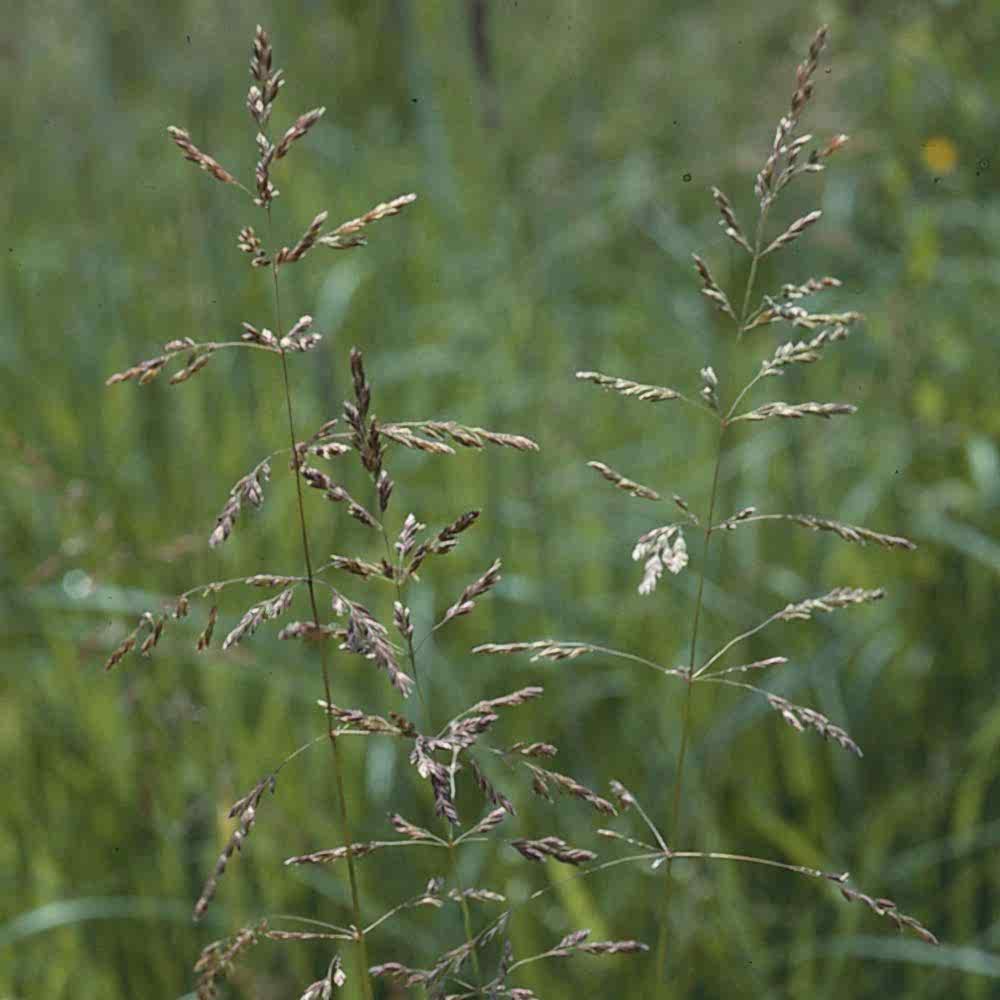
Rough Meadow-grass, Poa trivialis
At first glance, Rough Meadow Grass looks like a typical grass. Quite tall, with its flat flowers hanging from the ends of short stalks, arranged along the stem like a Christmas tree. But rub your fingers along the fresh stem and you’ll notice it is slightly rough – hence the name.
It’s a fantastic plant to provide food for wildlife. In fact, just one plant of Rough Meadow Grass can produce up to 29,000 seeds, providing food for wildlife.
Find out more about Rough Meadow Grass here.
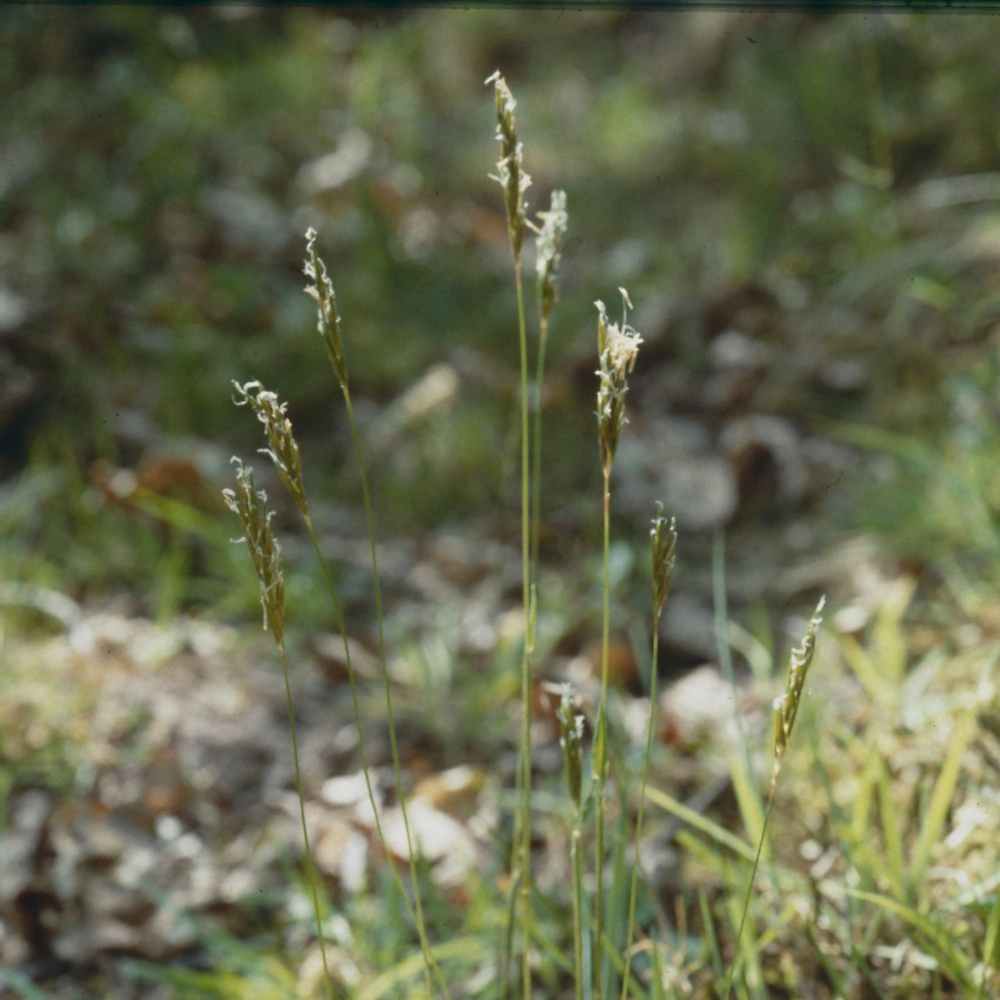
Sweet Vernal-grass, Anthoxanthum oderatum
Sweet Vernal-grass is a beautiful meadow grass, found in meadows, pastures, verges and lawns.
If left to grow it can reach up to 60cm. This structure is fantastic for wildlife providing lots of safe places to hide.
One of our favourite things about this grass however, is actually its smell. Sweet Vernal-grass is the smell of a hay meadow; sweet and somewhere between vanilla and almond.
Find out more about Sweet Vernal-grass here.
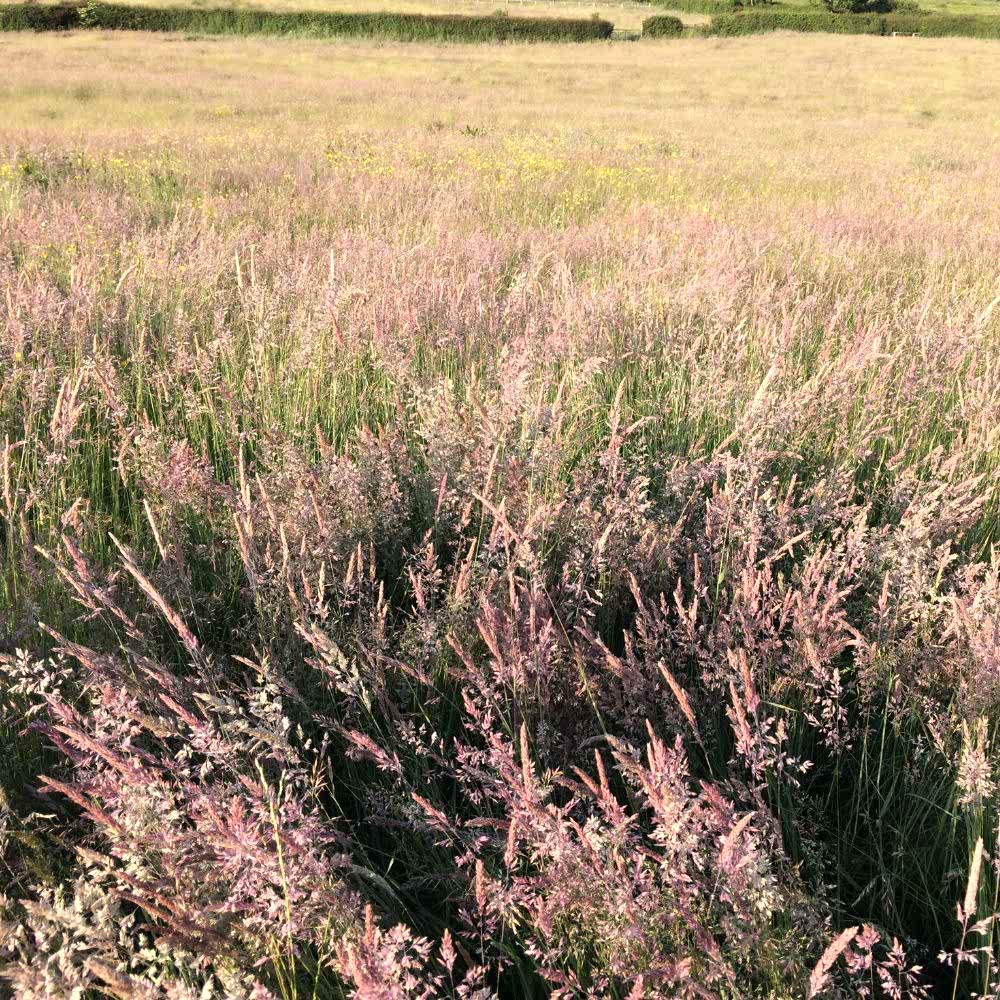
Yorkshire-fog, Holcus lanatus
Yorkshire Fog is easily identified and a very pretty grass to spot. The bottom of its stem looks like pink stripey pyjamas – no other grass looks like this. There are pink flushes too in its long flower head which look beautiful when swaying in the wind.
But it’s not just worth celebrating for its looks, it’s great for wildlife too, providing essential food for caterpillars and small mammals, as well as shelter.
This grass does spread very quickly however and can be dominating. It produces huge amounts of seeds which can germinate almost immediately – and buried seeds also remain viable for many years.
Find out more about Yorkshire Fog here.
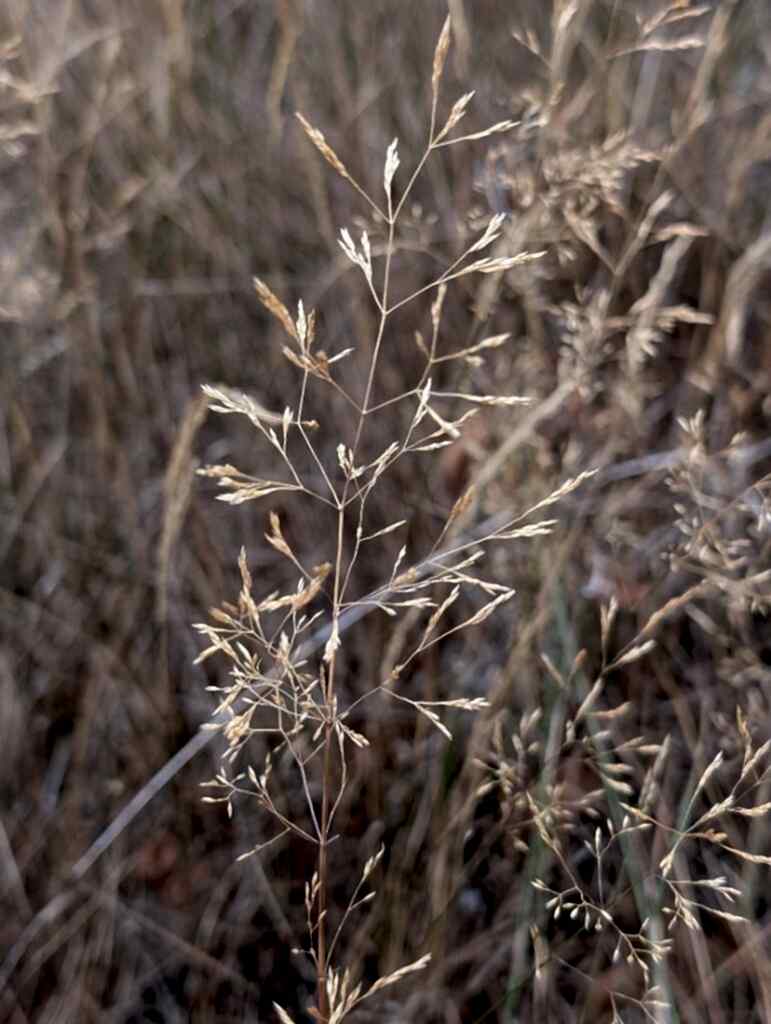
Common Bent, Agrostis capillaris
Common Bent is a pretty grass that has a tiny, delicate, pink-tinged flower head, spreading out on thin branching stems. It’s a common grass that grows up to 70cm tall.
You can spot it in meadows, arable farmland, heathlands and parks and it prefers neutral to slightly acidic soil.
It’s another grass that turns late-cut meadows a beautiful soft pink hue when it flowers in July.
But it’s also great for wildlife – its tiny seeds are a late summer source of food for small birds, and its dense coverage offers perfect protection for small mammals and insects.
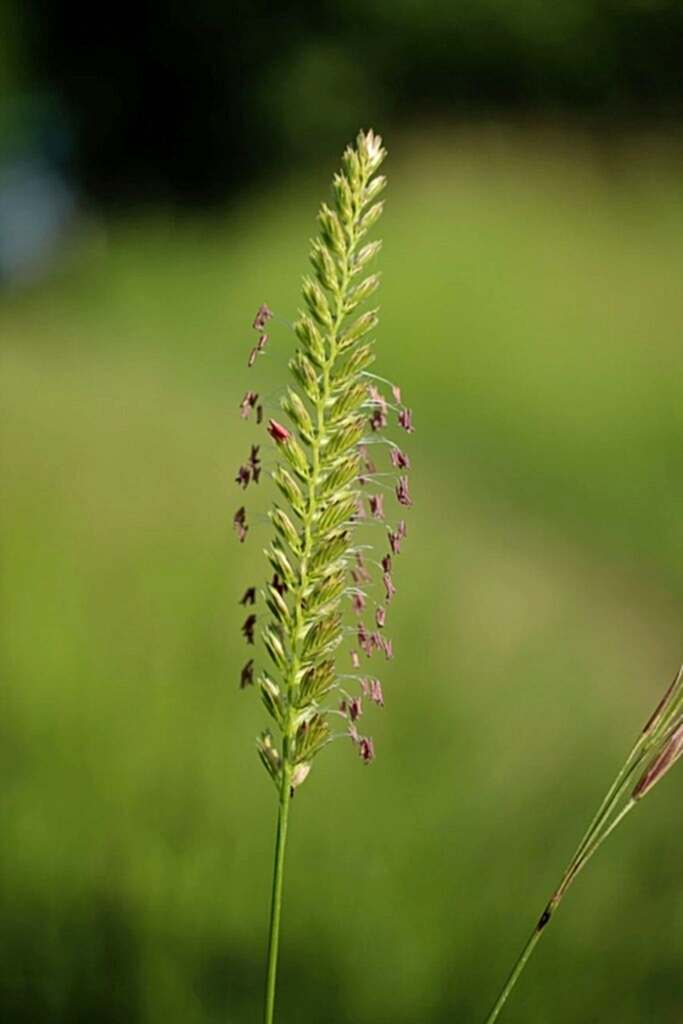
Crested Dog’s-tail, Cynosurus cristatus
This is an interesting looking grass that has dense, unique flower heads that are flat on one side. In fact, it’s distinctive looks are where it gets its name, as it does resemble a dog’s tail.
It’s one you can spot in pastures, hay meadows and lowland grasslands all over the UK.
As well as its interesting looks, it’s amazing for wildlife – it’s an important food source, especially for the caterpillars of skipper butterflies and marbled white butterflies.